
Calathea burle-marxii
Calathea burle-marxii
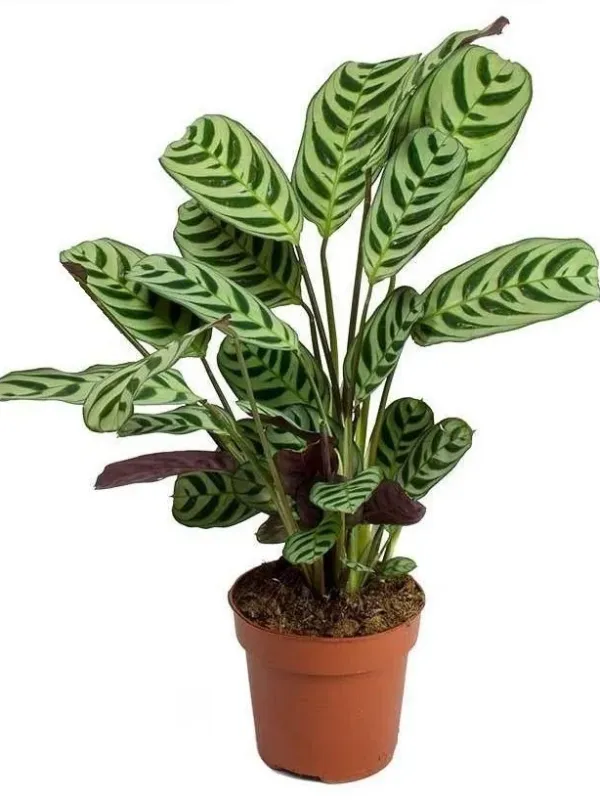
Description
Growing requirements
Calathea burle-marxii belongs to the Marantaceae family and is recognized for its distinctive, rhythmic foliage patterns. Originally discovered in the tropical regions of Brazil, it thrives in the understory of dense forests where light is filtered and moisture is consistent.
This crop requires precise environmental conditions, specifically temperatures between 18 and 26 degrees Celsius. Exposure to cold drafts or rapid temperature drops will cause significant stress, leading to leaf curling and growth retardation.
High relative humidity is essential for the healthy development of this species. In cultivation, it is recommended to maintain humidity levels above 60 percent, often achieved through greenhouse settings or frequent misting in home environments.
The growing medium must be highly porous and slightly acidic to prevent root suffocation. A professional potting mix typically consists of high-quality peat, perlite, and bark fragments to facilitate optimal drainage and oxygenation of the root zone.
Irrigation practices should be focused on maintaining consistent moisture without inducing waterlogging. Utilizing tepid, filtered water is highly recommended to avoid chemical buildup in the soil, which can lead to leaf tip necrosis.
Main diseases and pests
Spider mites are the most common pests affecting Calathea burle-marxii, especially in arid indoor environments. These pests thrive when the air is dry, and they quickly deplete the plant's resources by piercing the foliage and extracting cellular sap.
Mealybugs and scale insects also present a persistent threat to the vigor of the plant. Regular monitoring of the underside of leaves and stems allows for early detection and manual removal, which is often sufficient if the infestation is caught early.
Root rot, primarily caused by the Oomycete pathogens in waterlogged soils, is a critical issue that can kill the plant rapidly. Proper drainage and allowing the soil surface to dry slightly between waterings are the best defensive measures.
Leaf spot diseases caused by various fungal species can appear if the plant is frequently subjected to wet foliage overnight. Proper ventilation and avoiding overhead watering are effective strategies to prevent the spread of these pathogens.
Integrated pest management, involving both physical cleanliness and the use of targeted acaricides or fungicides, is necessary for maintaining a healthy crop. Avoiding overcrowding of plants also helps in reducing the humidity-related disease outbreaks.