
Calathea orbifolia
Calathea orbifolia
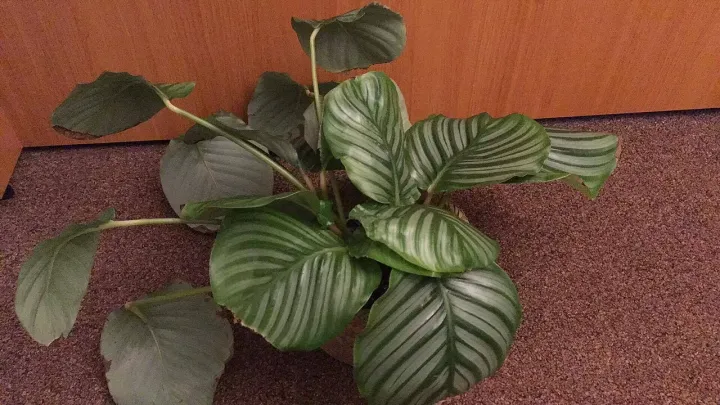
Description
Growing requirements
Calathea orbifolia is an ornamental crop belonging to the Marantaceae family, originating from the tropical rainforests of Bolivia. This plant is highly valued in the nursery industry for its large, rounded leaves featuring distinct silver-green patterns.
The optimal temperature range for the cultivation of this species is between 18°C and 25°C. As a tropical plant, it is intolerant to cold drafts and rapid temperature fluctuations, which can lead to significant physiological stress and the curling of leaf margins.
Successful cultivation requires a well-draining, high-porosity growing medium. A typical substrate consists of peat moss, pine bark, and perlite, which ensures adequate aeration while maintaining the consistent moisture levels necessary for the health of the rhizomes.
High relative humidity, ideally above 60%, is essential for the healthy development of this crop. In production environments, frequent misting or automated irrigation systems are used to maintain the atmospheric moisture, preventing the drying of delicate foliage.
Light management is a critical aspect of Calathea production. The plant requires bright, indirect light to maintain its vibrant leaf variegation. Direct solar exposure causes bleaching and leaf scorch, necessitating the use of shade cloths in greenhouse operations.
Main diseases and pests
The primary pests affecting Calathea orbifolia are spider mites, scale insects, and mealybugs. These pests thrive in dry conditions; therefore, maintaining optimal humidity is the most effective preventative strategy in a commercial or home greenhouse setting.
Fungal diseases, such as Fusarium wilt or root rot, typically occur due to overwatering and inadequate drainage. Proper irrigation scheduling and the use of sterile growing media are essential to minimize the risk of these pathogens and ensure a successful harvest of high-quality foliage.