
Calathea picturata
Calathea picturata
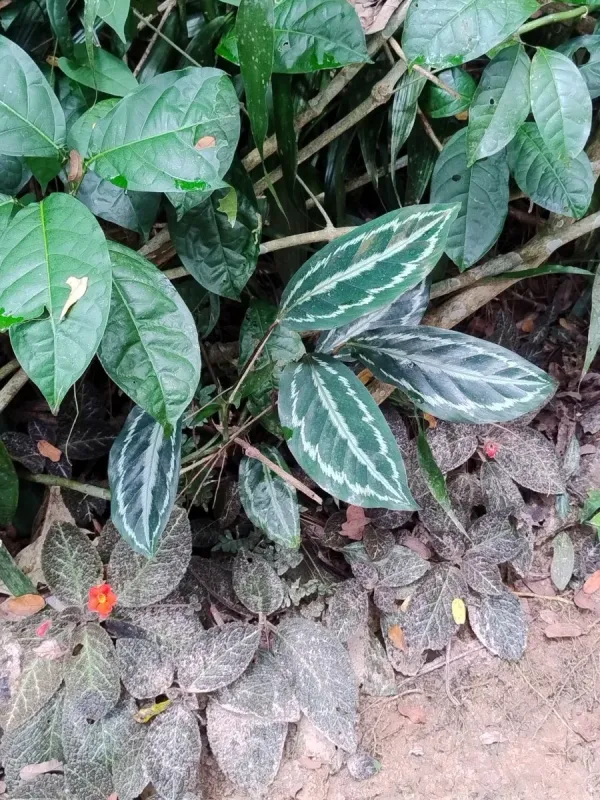
Description
Growing requirements
Calathea picturata, a member of the Marantaceae family, is a highly prized ornamental species originating from the humid rainforests of Brazil. It is characterized by its broad leaves featuring intricate silver and dark green patterns, making it a valuable asset for the indoor plant market.
The plant thrives in warm, stable tropical conditions with an ideal temperature range of 20°C to 25°C. Exposure to sudden temperature drops or cold drafts must be strictly avoided, as these factors typically lead to rapid foliage decline and physiological stress.
Humidity is the most critical environmental requirement for this species. To maintain healthy development, commercial producers ensure relative humidity levels stay above 70%, often utilizing automated misting systems to replicate the forest floor atmosphere of their native habitat.
Soil management for Calathea picturata requires a well-aerated, slightly acidic medium. A standard professional mix consists of peat moss, perlite, and pine bark, ensuring that water drains efficiently while retaining the necessary moisture for root hydration without creating anaerobic conditions.
Lighting should be bright but strictly indirect. High-intensity light levels cause leaf bleaching and severe marginal burning. Growers typically utilize specialized greenhouse shading fabrics to filter sunlight, ensuring the plants receive enough energy for photosynthesis without direct heat accumulation.
Main diseases and pests
Spider mites are the most common pest associated with Calathea picturata, particularly when atmospheric humidity falls below recommended thresholds. These arachnids colonize the underside of leaves, leading to chlorosis and eventual necrosis of the leaf tissue.
Scale insects and mealybugs often pose a significant challenge in large-scale production. These sucking pests deplete plant vigor and secrete honeydew, which serves as a medium for sooty mold growth, significantly reducing the aesthetic value of the product.
Root rot caused by pathogenic fungi is a constant risk if the root zone remains waterlogged. Preventing this involves careful irrigation management and the inclusion of high-quality drainage materials in the potting mix to ensure root system health.
Leaf spot diseases often occur due to prolonged leaf wetness or poor air circulation within the greenhouse environment. These fungal infections cause unsightly lesions that mar the ornamental quality of the foliage, necessitating prompt removal of infected leaves.
Integrated Pest Management (IPM) is essential for maintaining crop health. This includes the use of biological controls, regular monitoring for early pest detection, and the judicious application of targeted fungicides or acaricides to manage outbreaks effectively.