
Calathea louisae
Calathea louisae
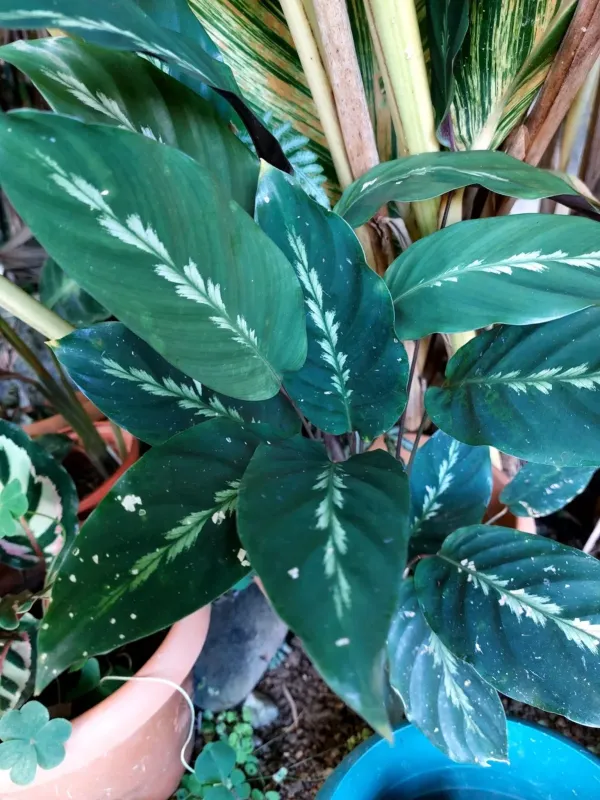
Description
Growing requirements
Calathea louisae is a perennial herb belonging to the Marantaceae family. It is native to the tropical forests of Brazil, where it thrives in the humid, shaded understory. This species is highly valued in horticulture for its distinct foliage and architectural beauty.
The optimal climate for this crop requires a warm and consistent environment with temperatures between 18 and 24 degrees Celsius. It is crucial to avoid sudden temperature fluctuations, as the plant is sensitive to thermal stress which can damage the delicate leaf tissues.
High humidity is essential for the healthy growth of Calathea louisae, ideally maintained above 70 percent. In controlled environments, growers often utilize misting systems or pebble trays to increase local moisture levels and prevent the tips of the leaves from drying out.
The ideal growing medium should be well-draining, nutrient-rich, and slightly acidic. A mix of peat moss, perlite, and coarse bark is commonly used to ensure that the roots receive adequate aeration while maintaining the necessary moisture retention.
Regarding light requirements, this plant prefers bright, indirect light. Prolonged exposure to direct sunlight will cause the leaves to lose their vivid patterns and can lead to severe scorching. In commercial production, light filtration is achieved through the use of shade cloth.
Main diseases and pests
Spider mites are the most common pest affecting Calathea louisae, particularly in conditions where the air is too dry. These pests feed on the sap of the leaves, leading to stippling and eventual leaf drop if the infestation is not addressed promptly.
Scale insects and mealybugs can also pose a significant threat to the crop's vigor. Regular inspection of the undersides of the leaves and stems is a vital part of the monitoring process in any professional nursery or greenhouse operation.
Root rot, often caused by overwatering or poor drainage, is the primary disease risk. When the substrate remains saturated for too long, oxygen deficiency in the rhizosphere promotes the growth of pathogenic fungi like Pythium and Phytophthora.
Effective management strategies include implementing a strictly controlled irrigation schedule and ensuring the use of sanitized pots and equipment. Application of appropriate fungicides or acaricides should be performed at the first sign of pest activity or infection.
Maintaining proper hygiene by removing dead or decaying foliage is critical to preventing the spread of diseases. A healthy plant, grown under optimal environmental conditions, will demonstrate superior resistance to both abiotic and biotic stress factors.