
Manglietia
Manglietia x Magnolia
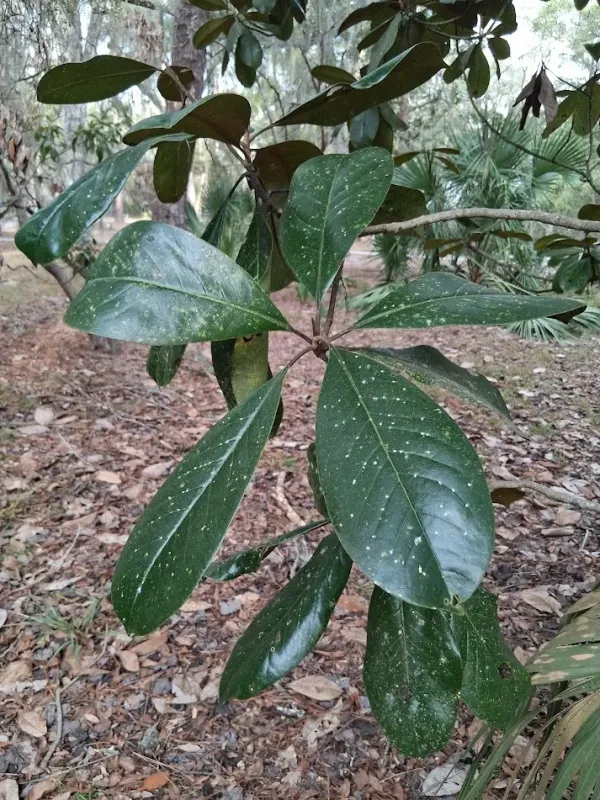
Description
Growing requirements
Manglietia is a genus of evergreen trees belonging to the Magnoliaceae family, which is closely related to the genus Magnolia, and in many taxonomic classifications, it is merged with it.
Native to the tropical and subtropical regions of Southeast Asia, these trees thrive in mountainous forests, benefiting from high rainfall and consistent environmental conditions.
The cultivation of Manglietia requires well-drained, nutrient-rich soil with an acidic to neutral pH level. Proper site preparation is critical to avoid waterlogging and root rot issues.
Climate requirements for this culture include high atmospheric humidity and protection from extreme temperature fluctuations or harsh winds that can damage evergreen foliage.
Economically, the tree is highly valued for its durable wood, which is used in high-quality furniture making, and its aesthetic appeal, making it a sought-after species for botanical collections.
Main diseases and pests
Common pests affecting Manglietia include scale insects and mealybugs, which tend to congregate on young branches and foliage during periods of stagnant air.
Fungal diseases, including leaf spot pathogens and phytophthora, represent a significant threat, especially when plants are grown in overcrowded or poorly ventilated nurseries.
Root rot is the most destructive condition, often triggered by over-irrigation or soil compaction, which denies the roots necessary oxygen for growth.
Integrated pest management strategies should focus on regular canopy inspection, pruning to allow air circulation, and the judicious application of protective fungicides.
Maintaining vigorous tree growth through proper fertilization and watering schedules significantly improves the plant's natural resistance to local pests and infections.