
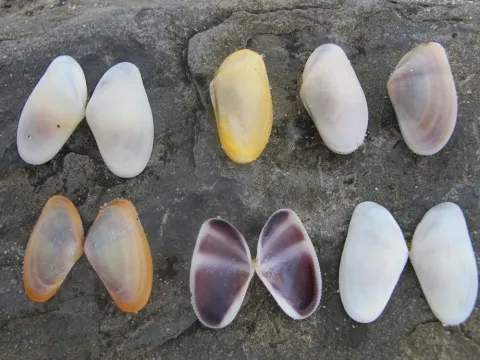
Donax
Donax
Donax, or giant reed, is primarily propagated through vegetative means, as the seeds are often sterile. Rhizomes are typically planted in early spring once the soil temperature reaches 10–12 degrees Celsius.
What the section contains

Donax
The optimal planting window generally occurs between March and May, depending on the climatic region. Prior to planting, it is essential to deep-plow the field and incorporate organic fertilizers to ensure vigorous initial growth.
Planting density usually ranges from 10,000 to 20,000 rhizomes per hectare. The material is placed in rows with wide spacing to facilitate mechanical management and harvesting equipment operations.
During the first year, plants focus on establishing their root system; therefore, weed control is critical during this establishment phase. Once established, the culture exhibits high resilience and rapidly dominates the allocated space.
Using cuttings approximately 20–30 cm long with multiple nodes ensures the highest success rate. Selecting the correct planting time allows the crop to maximize the utilization of stored soil moisture following the winter period.
Donax belongs to the Poaceae family and is a robust perennial plant that thrives in warm climates. The culture is highly water-demanding, frequently found in river floodplains and areas with reliable irrigation.
The plant adapts well to various soil types, including alluvial and loamy soils, though maximum productivity is achieved in fertile substrates with excellent drainage capacity.
Despite its preference for warmth, established plants can tolerate short periods of cold temperatures. The ideal temperature range for rapid biomass accumulation is between 20 and 30 degrees Celsius.
This species is highly salt-tolerant, making it an excellent candidate for the reclamation of saline lands. However, prolonged waterlogging should be avoided as it may hinder rhizome development in young plantations.
A fertilization program should emphasize nitrogen inputs to stimulate vegetative growth. Additionally, monitoring soil pH is vital, as neutral to slightly alkaline conditions support optimal nutrient uptake.
Donax is recognized as one of the most productive agricultural crops globally in terms of dry biomass output per hectare. Yields can reach 30–60 metric tons of dry matter annually under intensive management.
Peak productivity occurs in the second or third year once the root system has fully colonized the soil volume. A healthy plantation can remain productive for over 15 years without needing replanting.
Key factors affecting yield include water availability and solar radiation throughout the growing season. While the plant remains viable during drought, biomass accumulation decreases significantly without sufficient moisture.
Efficient use of fertilizers can substantially increase raw material output for bioenergy purposes. Modern agrotechnical practices enable farmers to achieve consistent, high-yield results at an industrial scale.
Understanding the biological traits of this species allows for optimized field management cycles with minimal maintenance costs. The high density of the stand naturally inhibits weed competition effectively.
The crop possesses high natural resistance to pests and diseases, allowing for cultivation without the need for intensive pesticide applications. However, in high-humidity environments, rust fungi may occur.
Among pests, specific phytophagous insects targeting young shoots can pose a minor risk. In most regions, such impacts remain localized and generally do not require specialized control measures.
Rodents may cause damage to dormant rhizomes during the winter, so monitoring plantation health is recommended. Proper site selection and crop rotation practices minimize the risk of significant crop damage.
Fungal developments are usually linked to poor management practices, such as soil compaction or stagnant water. A healthy plant maintains strong immunity and recovers quickly from minor stressors.
Adherence to quarantine protocols when introducing planting material helps prevent the spread of invasive pathogens. Regular cleaning of farm machinery also contributes to maintaining the phytosanitary safety of the fields.
Harvesting is typically conducted once a year when stem moisture content reaches its minimum, usually during late autumn or winter. This timing simplifies biomass processing and storage.
Specialized forage harvesters equipped with shredding mechanisms are used for collection. The equipment must be capable of handling thick, robust stems that can reach heights of 4–6 meters.
The shredded biomass is transported to storage facilities or directly to processing plants for solid biofuel or cellulose production. Proper storage conditions are critical to prevent self-heating and material degradation.
Harvesting should be concluded before significant snowmelt to avoid damaging the root system during the onset of active sap flow. Mechanical harvesting is key to reducing the overall cost of the raw material.
Post-harvest, the field remains ready for the next growth cycle, making Donax an economically viable choice for industrial growers. Low labor requirements during the harvest phase are a major advantage of this crop.