
Calathea lutea
Calathea lutea
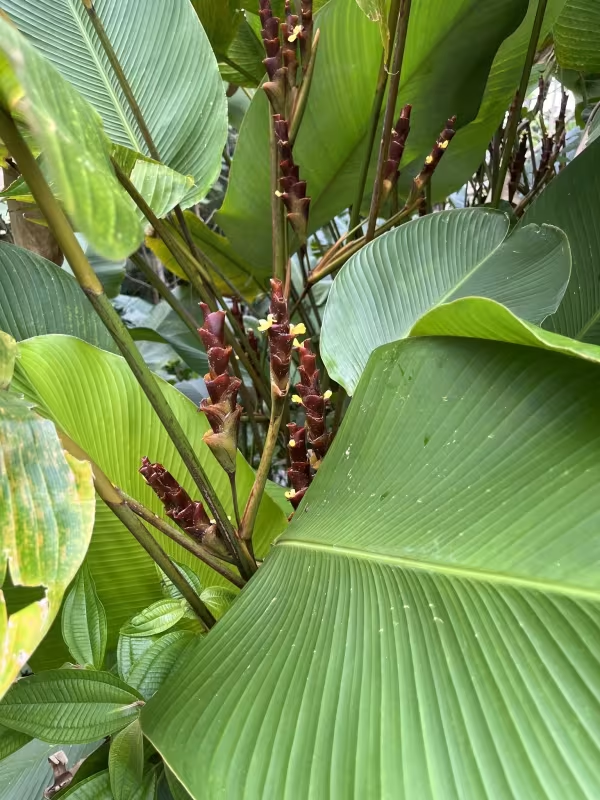
Description
Growing requirements
Calathea lutea is a perennial herbaceous plant belonging to the Marantaceae family. It is distinguished by its large, paddle-shaped leaves that can reach significant sizes, making it an impressive specimen in tropical landscapes.
The native habitat of this plant includes the tropical regions of Central and South America. It thrives in humid lowland forests and riverbanks, where it benefits from consistent moisture and shaded conditions.
Ideal cultivation requires a warm environment with temperatures consistently between 20°C and 28°C. Protection from direct, harsh sunlight is crucial to prevent leaf scorching and desiccation.
Soil requirements involve a rich, well-draining organic medium with a slightly acidic pH. The plant performs best in moisture-retentive substrates that allow for healthy root respiration without waterlogging.
Beyond its aesthetic value, this species serves a vital economic role. Its large, durable leaves are traditionally utilized as natural, biodegradable packaging for food, such as tamales, reflecting its importance in local sustainable agriculture.
Main diseases and pests
The most significant threats to the crop include various fungal pathogens, which typically proliferate under conditions of stagnant air and excessive surface moisture on the foliage.
Common insect pests, such as spider mites and scale insects, often manifest when environmental conditions deviate from the ideal, particularly during periods of low air humidity.
Integrated pest management, including the removal of infested plant tissues and the use of botanical oils, is recommended to keep the plantation healthy and productive.
Root rot is a critical concern, often resulting from over-irrigation or soil compaction, which impedes the oxygen supply to the root zone and weakens the entire plant.
Regular monitoring for nutrient deficiencies and pH fluctuations is necessary to maintain the vibrant green color and commercial quality of the leaves required for the market.
Harvesting
The harvesting process involves hand-selecting leaves at the appropriate stage of maturity. Each leaf is carefully cut at the base of the petiole, ensuring the plant remains viable for subsequent growth cycles.
Post-harvest management requires a brief thermal treatment or wilting period, which increases the flexibility of the leaf blade, preventing breakage during folding and packing operations.
Yield efficiency is directly linked to the health of the rhizome system and the maintenance of the plantation's canopy density throughout the year.
Storage must be carried out in a high-humidity environment at lower temperatures to maximize the shelf life and preserve the structural integrity of the harvested foliage.
Effective logistics and handling are essential, as the fragile petioles and large blades can easily sustain damage during transport to local or regional markets.