
Calathea cylindrica
Calathea cylindrica
Description
Growing requirements
Calathea cylindrica is a distinctive species within the Marantaceae family. Native to the tropical rainforests of South America, this plant is valued for its unique morphology and ornamental foliage, which flourishes in high-humidity habitats.
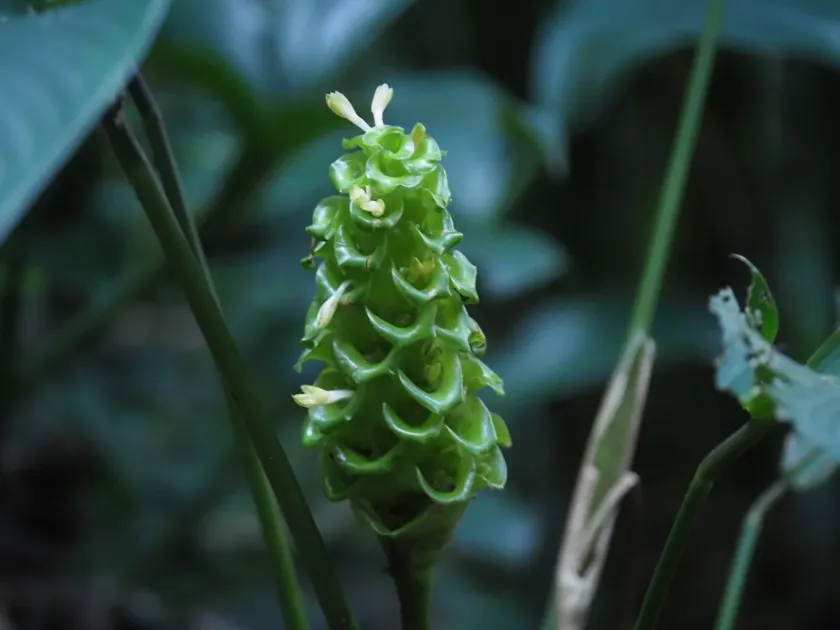
The plant features upright, cylindrical inflorescences that set it apart from other species in the genus. Its botanical structure is adapted to the dim, humid environment of the forest understory, dictating its specific needs in an agricultural or domestic setting.
Cultivation requires a stable temperature range between 20°C and 25°C. Sudden fluctuations in temperature or exposure to cold drafts can cause significant physiological stress, often leading to leaf necrosis and stunted development.
Soil requirements focus on high porosity and acidity. An ideal substrate consists of a peat-based mix, pine bark, and perlite, ensuring excellent drainage while maintaining the moisture levels necessary for healthy root function.
High relative humidity, ideally above 60%, is essential for the plant's health. The use of pebble trays or ultrasonic humidifiers is recommended in environments where ambient humidity is naturally low, especially during winter months.
Main diseases and pests
Spider mites are the most prevalent pest affecting this species, particularly in low-humidity environments. These mites feed on the underside of the leaves, causing stippling and eventual leaf drop if left unchecked.
Mealybugs and scale insects may also infest the plant, typically clustering in leaf axils or along the stems. Careful manual removal or the application of horticultural oils can effectively manage localized outbreaks.
Fungal pathogens, such as leaf spot, often arise due to poor ventilation and excessive moisture lingering on the foliage. Ensuring good airflow around the plant canopy is a critical preventive measure.
Root rot is a common issue caused by waterlogging the substrate. Using pots with adequate drainage holes and ensuring the top inch of soil dries slightly between waterings is crucial for root health.
When chemical intervention is required, specialized systemic insecticides should be used with caution, as plants in the Marantaceae family can be sensitive to heavy chemical concentrations on their leaves.