
Thalia
Thalia
Thalia is a genus of perennial herbaceous plants belonging to the Marantaceae family, known for its preference for wetland environments and tropical origin.
What the section contains


Thalia
Native to the Americas, these plants are primarily found in marshes, ponds, and along the banks of slow-moving water bodies, where they thrive in rich, waterlogged soils.
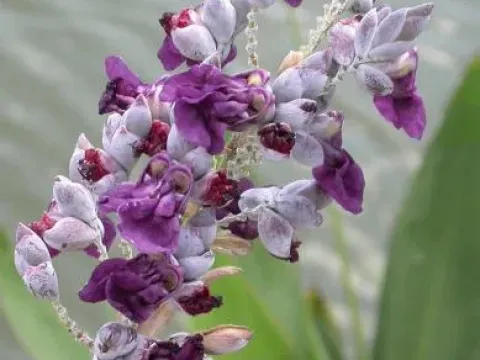
The botanical structure is characterized by large, often waxy leaves and tall, elegant flower stalks that carry panicles of violet or purple florets above the foliage.
To cultivate Thalia successfully, it is essential to provide constant moisture, as the plant acts as an obligate hydrophyte and does not tolerate soil drought.
Optimal growth conditions include full sun exposure and warm climate temperatures, as the plant is not cold-hardy and requires protection against frost in temperate zones.
The primary threat to the health of Thalia plants is thermal stress caused by sudden temperature drops, which can lead to rapid senescence of the entire plant structure.
Pest issues often arise when plants are grown in pots indoors or in greenhouse conditions, with spider mites being the most frequent concern for the foliage.
Stagnant water conditions can lead to the proliferation of anaerobic bacteria, negatively affecting the root system and causing physiological stress and root rot.
Nutrient deficiencies, specifically nitrogen and iron, can cause yellowing of the leaves, which requires balanced fertilization targeted at aquatic plant species.
Managing these risks involves careful monitoring of the water quality, regular inspection of the leaf underside for pests, and winterizing the rhizomes in frost-free locations.