
Calathea roseopicta
Calathea roseopicta
Description
Growing requirements
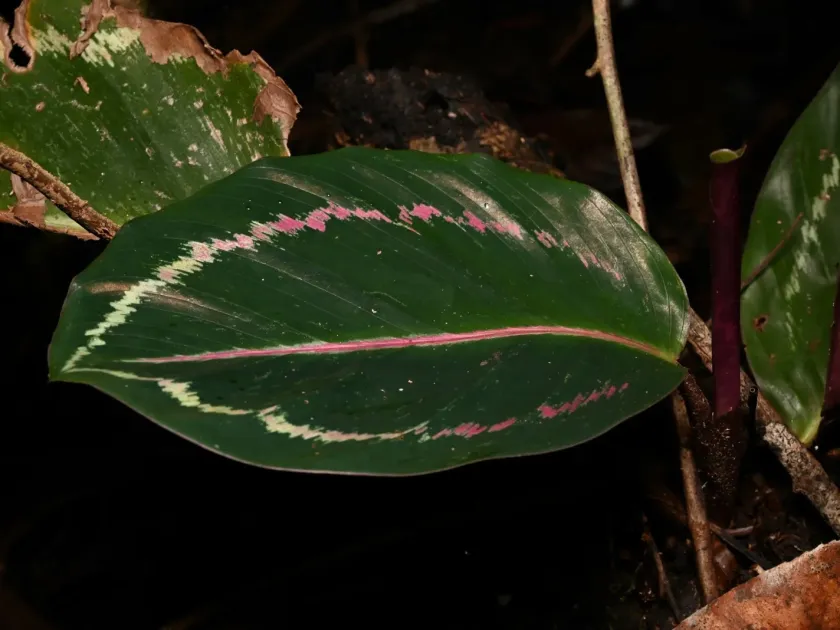
Calathea roseopicta is a stunning ornamental species within the Marantaceae family. Native to the tropical rainforests of Brazil, this plant is highly prized for its broad leaves featuring intricate rose-colored patterns and deep purple undersides.
The crop requires a stable environment with temperatures maintained between 18°C and 25°C. It is extremely sensitive to cold drafts and rapid temperature fluctuations, which can cause significant physiological stress and leaf drop.
Soil requirements are specific: the medium must be well-drained, porous, and rich in organic matter. A mixture of peat, perlite, and pine bark is often used to ensure adequate moisture retention while preventing the risk of waterlogging in the root zone.
High relative humidity, ideally above 70%, is essential for the healthy development of this tropical plant. Gardeners often use misting systems or pebble trays with water to maintain the required moisture levels in indoor environments.
Proper irrigation management is vital. Calathea roseopicta should be watered with soft, lukewarm, and chlorine-free water. Keeping the soil consistently moist but not saturated is the golden rule for successful cultivation.
Main diseases and pests
The most common pests affecting Calathea roseopicta include spider mites and mealybugs, especially in conditions with low humidity. These insects feed on the sap, causing foliage discoloration and weakening the plant's structural integrity.
Fungal diseases, including root rot and leaf spot, are prevalent if irrigation techniques are improper. Overwatering, especially in cooler months, often leads to the degradation of the root system and eventual plant collapse.
Integrated pest management involves monitoring the plants weekly and applying targeted acaricides or insecticides when an infestation is detected. It is crucial to treat the plants carefully, as they can be sensitive to certain chemical concentrations.
Fungal issues are best managed by improving air circulation and ensuring the growing medium is not overly damp. The use of biological fungicides can help maintain the plant's health in high-humidity indoor environments.
Regular maintenance, such as cleaning the leaves with a damp cloth, is an effective strategy to keep the plant free from dust and pests. This practice also improves the plant's aesthetic appeal and overall photosynthetic efficiency.