
Calathea crotalifera
Calathea crotalifera
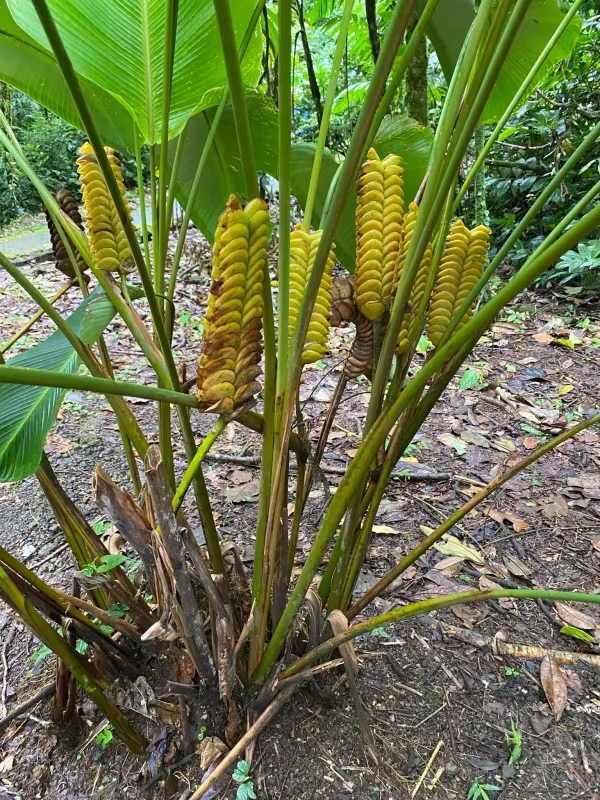
Description
Growing requirements
Calathea crotalifera belongs to the Marantaceae family and is a perennial herbaceous plant of the tropical belt. In its natural environment, it grows in Central and South America, preferring humid forest areas with organic-rich soils.
The crop has high requirements for temperature conditions: the optimal range is +20...28°C. The plant is extremely sensitive to sudden temperature fluctuations and drafts, which can cause necrosis of the leaf margins.
For successful growth, a high level of air humidity is required, at least 70-80%. In commercial greenhouses, it is important to maintain a stable microclimate using automated misting systems or ultrasonic humidifiers.
The soil should be loose, slightly acidic, and well-drained. The optimal substrate is a mixture of peat, leaf mold, and perlite with the addition of charcoal to prevent rot in the root system.
Lighting for this crop must be diffused. Direct sunlight causes leaf burn and a loss of decorative quality of the bracts, which are the plant's main commercial value.
Main diseases and pests
The main threats to the plant are spider mites and scale insects, which multiply rapidly in conditions of low air humidity.
Root rots caused by Fusarium and Pythium fungi occur due to stagnant water in the tray or waterlogging of the substrate.
Thrips can cause significant damage to leaves, leaving characteristic silvery tracks and leading to deformation of the leaf blade.
Disease prevention consists of regular inspection and maintaining an optimal humidity balance, and in case of pest detection, the use of systemic insecticides and acaricides is necessary.
It is important to monitor the quality of irrigation water: it must be settled and have a temperature 2-3 degrees higher than the ambient temperature to avoid root stress.