
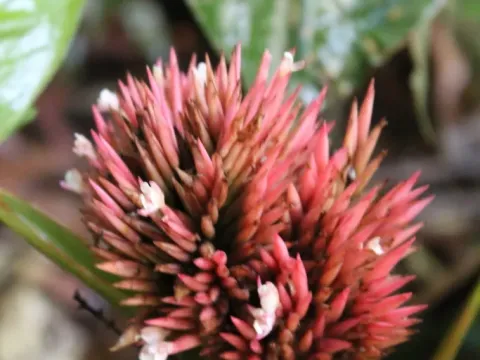
Monotagma
Monotagma
Monotagma is a genus of perennial herbaceous plants belonging to the Marantaceae family. These plants are native to the tropical rainforests of Central and South America, where they thrive under the forest canopy.
What the section contains

Monotagma
Botanically, these plants are known for their distinct foliage, which often features asymmetric patterns and long petioles. The plant structure is compact, making it a subject of interest for tropical botanical collections.
To succeed in growing Monotagma, you must maintain a tropical environment with high humidity levels, ideally above 70 percent, and stable warm temperatures between 22°C and 28°C.
The soil should be nutrient-rich, acidic to neutral, and extremely well-draining. A mix consisting of peat moss, pine bark, and perlite provides the necessary structure to prevent waterlogging.
Economically, while mostly kept for ornamental purposes, the leaves of certain Monotagma species are traditionally harvested for their durability, used by indigenous tribes for weaving and wrapping local produce.
The most significant pest threat to Monotagma is the spider mite, which flourishes in environments with insufficient atmospheric humidity and poor ventilation.
Root rot, primarily caused by waterlogged soil and the presence of Pythium fungi, is the most common cause of premature plant death in cultivation.
Leaf spot diseases, often attributed to Helminthosporium, occur when water remains on the surface of the foliage for extended periods in cool conditions.
Mealybugs can often hide in the tight spaces between the petiole bases, causing stunted growth and yellowing of the foliage over time.
Maintaining a clean growing area and ensuring that leaves remain dry during the night are critical cultural practices for managing potential disease outbreaks.