
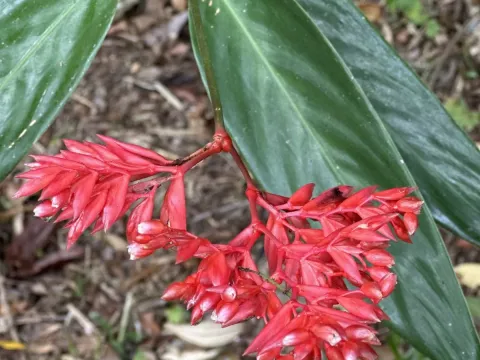
Stromanthe
Stromanthe
Stromanthe is a genus of flowering plants in the family Marantaceae. These evergreen perennials are native to the tropical forests of Brazil, where they thrive in the humid, shaded environments of the forest floor, adapting well to limited light conditions.
What the section contains


Stromanthe
Botanically, Stromanthe is characterized by its broad, colorful, and often patterned leaves. The plant is well-known for its nyctinastic movements, where the leaves fold upwards at night, a typical behavior of the prayer plant family designed to conserve moisture.
The plant requires high humidity levels to maintain its foliage health, ideally above 70%. It prefers stable temperatures between 22 and 26 degrees Celsius and should be protected from cold drafts or direct exposure to heating vents, which can cause leaf crisping.
For successful cultivation, the soil must be light, well-draining, and rich in organic matter. A mixture consisting of peat moss, perlite, and pine bark is commonly recommended to ensure proper aeration and moisture retention without causing waterlogging.
In terms of agricultural and commercial use, Stromanthe is primarily grown as an ornamental plant for indoor landscaping and wholesale nursery production. It is highly valued in the horticulture industry for its unique foliage colors and decorative patterns.
The most common pests affecting Stromanthe include spider mites, mealybugs, and scale insects. These pests thrive in dry environments, making consistent humidity management a critical component of pest control for this specific plant species.
Root rot is the most prevalent disease, typically resulting from overwatering or poorly draining soil. When the roots remain in saturated soil for extended periods, they lose the ability to absorb oxygen, leading to the rapid decay of the entire plant structure.
To manage these threats, it is essential to inspect the plant regularly, especially the undersides of the leaves. Applying horticultural soap or systemic insecticides can effectively eliminate pest populations if an outbreak occurs in a nursery or home environment.
Fungal leaf spot can also occur when environmental conditions are too cool and damp, promoting the growth of pathogens on the leaf surface. Proper spacing and airflow are necessary to mitigate these issues and ensure healthy plant development.
Preventative care is the best strategy for maintaining the health of Stromanthe. By keeping the plant in its optimal growth zone and using clean, high-quality substrate, growers can minimize the reliance on chemical pesticides and fungicides.