
Calathea majestica
Calathea majestica
Description
Growing requirements
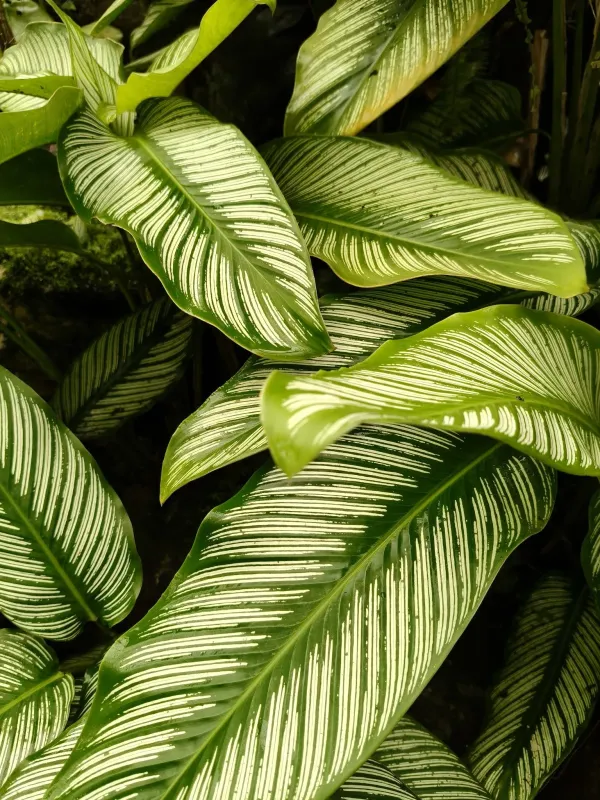
Calathea majestica is a distinctive species within the Marantaceae family, native to the tropical rainforests of South America. It is widely cultivated for its ornamental value, characterized by broad, dark green leaves with striking pink or silvery pinstripes and deep purple undersides.
The culture thrives in environments with high humidity, ideally between 70% and 80%. When cultivated in agricultural or interior greenhouse settings, maintaining these humidity levels is essential to prevent leaf margin necrosis and tip browning.
Soil management for this species requires a well-draining, peat-based substrate rich in organic matter. A slightly acidic environment is preferred, ensuring that the root system remains well-aerated while retaining sufficient moisture to sustain rapid vegetative growth during the peak season.
Temperature control is a critical parameter; the plant performs best in steady tropical conditions between 18°C and 24°C. Cold exposure or sudden temperature spikes can induce metabolic stress, often manifesting as slow growth or leaf drop.
Proper light management involves providing indirect sunlight or moderate shade. Direct exposure to intense solar radiation can bleach the characteristic variegation on the foliage and damage the cellular structure of the leaf epidermis.
Main diseases and pests
Spider mites are the most common pest associated with Calathea majestica, particularly in environments with poor air circulation and low humidity. Regular scouting and maintaining optimal microclimatic conditions are the primary methods for preventing significant infestation levels.
Pathogenic fungi, such as Fusarium and Pythium species, often attack the root zone if the cultivation medium remains waterlogged for extended periods. Effective management includes using sterile substrates and implementing a precise irrigation schedule to allow partial drying of the topsoil layer.