

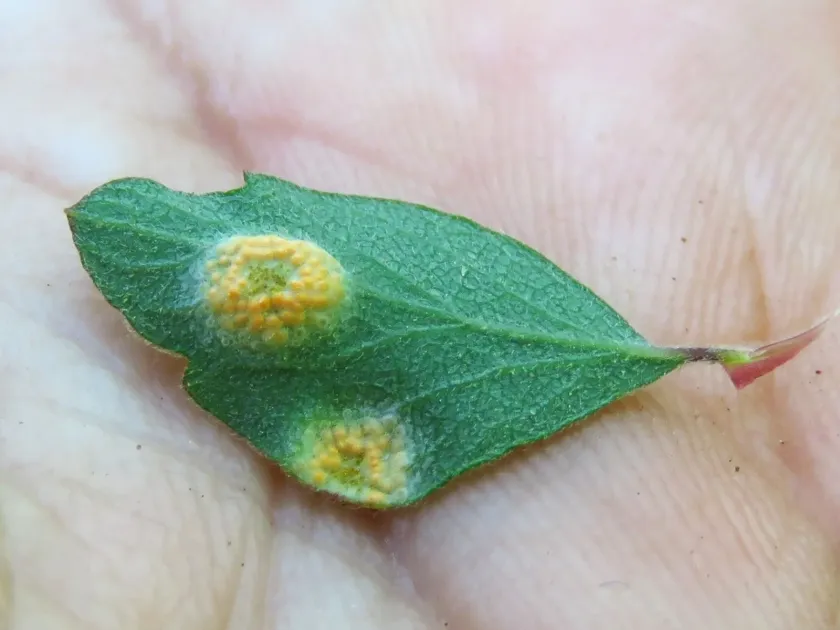
Description
Symptoms
The first signs of Fescue rust appear as tiny, powdery, orange to yellow-brown pustules found mostly on the surface of the fescue leaf blades.
As the infection progresses, these pustules can spread to leaf sheaths and stems, interfering with the plant's ability to perform photosynthesis.
As the fungus matures, the color of the pustules darkens, signaling the formation of teliospores, which are specialized structures for surviving cold conditions.
Infected leaves will quickly turn yellow, wither, and die back, leading to a significant loss of turf density and aesthetic appeal in lawns.
During severe outbreaks, a rusty dust of spores covers the foliage, often staining shoes, clothing, or mowing equipment during regular maintenance.
Pathogen
The causal agent is the fungus Puccinia crandallii, a basidiomycete that specifically targets various grass species within the fescue family.
It is an obligate parasite, meaning it requires living host tissue to complete its life cycle and obtain the necessary nutrients for survival.
The fungus is heteroecious, often requiring an alternate host plant, such as certain shrubs from the rose family, to complete its full reproductive cycle.
The infection begins when urediniospores land on moist leaf surfaces, germinate, and penetrate the plant through small openings called stomata.
Once inside, the fungal mycelium grows aggressively, extracting nutrients from the host while developing new spores to spread the infection to nearby plants.
Conditions for development
The development of Fescue rust is heavily influenced by temperatures, with moderate conditions between +15 and +22 degrees Celsius being optimal.
High relative humidity and consistent dew or light rainfall provide the necessary moisture for the spores to germinate and infect healthy leaves.
Dense, overgrown grass stands that restrict airflow create a damp microclimate, which acts as a perfect incubator for rapid fungal colonization.
Extended periods of cool, wet weather enable the fungus to produce multiple generations of spores, which can lead to large-scale outbreaks in a short timeframe.
Imbalanced soil nutrition, specifically excessive nitrogen levels combined with low potassium, increases the plant's susceptibility to rust attacks.
Why it matters
The primary damage is a severe reduction in biomass, which negatively impacts the yield of fodder crops and the overall health of turfgrass.
Infection leads to premature leaf death, which reduces the nutritional value of forage and impairs the energy reserves of the root system.
Heavily affected grass stands show poor regrowth after mowing, making the lawn or pasture less productive and more prone to weed competition.
The disruption of water transport and gas exchange makes the plants significantly more vulnerable to environmental stressors like drought and heat.
For high-end lawns, the unsightly appearance caused by rust spots requires costly remediation and may necessitate expensive re-seeding efforts.
Protection
Planting resistant varieties is the most effective long-term strategy for managing Fescue rust and reducing reliance on chemical control methods.
Proper turf management, such as maintaining correct mowing heights and ensuring adequate drainage, helps prevent the conditions favored by the fungus.
Maintaining optimal soil fertility, with particular attention to phosphorus and potassium, helps to build stronger, more resistant cell walls in grass leaves.
When necessary, systemic fungicides from the triazole or strobilurin classes can be used to control outbreaks, provided they are used according to label instructions.
Regular mowing and the removal of infected clippings can help reduce the local spore load, slowing the spread of the pathogen throughout the field.
Content graph
Connections · Fescue rust
Most often together:
Marketplace
Products · 49









Community
Discussion
No discussions yet — be the first.