


SKU #71058
·
38 views
Velmozha
Fescue
Rossorgo Research InstituteUser rating
0 votes0% positive reviews
No ratings yet — be the first.
Type
Sugarcane Oat
Assignment
Lawn, Feed
Leaf Decorativeness
Green
Registration year
2009
About product

A versatile tall fescue variety offering high drought resistance and a dense, lush green appearance for landscaping and forage.
Type
Sugarcane Oat
Assignment
Lawn, Feed
Leaf Decorativeness
Green
Registration year
2009
Description
Technical Profile of the «Velmozha» Tall Fescue
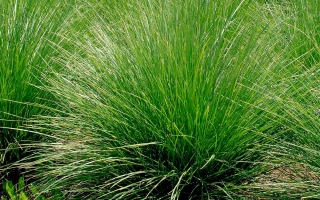
The «Velmozha» tall fescue, developed by the Russian research institute РосНИИСК «Россорго», is a specialized cultivar designed for durability and multi-purpose utility. Unlike common decorative grasses, this variety offers a strategic balance between aesthetic appeal and robust agricultural biomass production, making it a reliable choice for professional landscaping and forage cultivation.
Key Technical Specifications
- Root System Architecture: The deep root structure, inherent to tall fescue, ensures exceptional drought tolerance. This technical advantage allows the turf to maintain its vitality and turgor pressure even during prolonged dry spells.
- Foliage and Aesthetics: The cultivar features a vibrant, consistent green hue. The leaf density is engineered to create a uniform, durable surface that retains its color profile throughout the growing season.
- Mechanical Resilience: Due to the specific stem density and structural integrity, «Velmozha» demonstrates high resistance to wear and traffic, satisfying the requirements for both functional lawns and agricultural pasture land.
Agronomic Utility and Application
Developed by the Federal State Budgetary Scientific Institution «Russian Research and Design-Technological Institute of Sorghum and Corn», the «Velmozha» variety provides high adaptability to various soil types. In a forage context, it serves as a high-yield source of high-quality biomass. As a lawn component, it excels in forming a dense sward that effectively outcompetes weed colonization. Practical management requires consistent mowing, which triggers deeper tillering and ensures the lawn remains lush and healthy. This variety serves as an ideal solution for those seeking a low-maintenance yet high-performance grass cover capable of withstanding both environmental stress and physical usage.
Crop & resistance
Disease resistance
Specifications
| Type | |
|---|---|
| Assignment | |
| Leaf Decorativeness | |
| Registration year | 2009 |
| Catalog | Catalog → Fescue |
| Manufacturer | Rossorgo Research Institute |
| Legal data | |
| Country | Russia |
Store offers
Prices are updated on loadLoading offers…
Aggregator catalog: prices are collected automatically from store websites, normalized by AI and converted at the current exchange rate. Before ordering, confirm the price and availability on the store's website. This block is not indexed by search engines — the data is loaded after the page opens.
Not yet комментариев. Be the first!
Alternatives
Fescue seeds · similar varieties




See also
Often considered together with this variety






Recently viewed
Products you’ve viewed on this site
Reviews · 0