
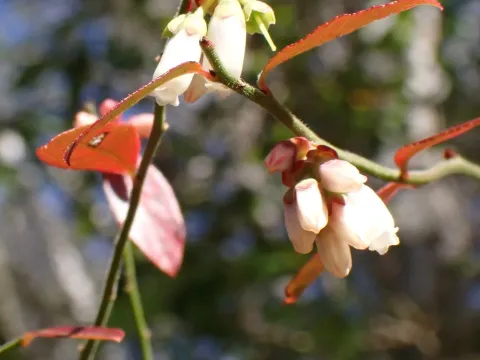
Elliott's blueberry
Vaccinium elliottii Chapm.
Elliott's blueberry (Vaccinium elliottii) is a deciduous shrub belonging to the Ericaceae family. In its native habitat, it can reach heights of 3 to 4 meters, featuring slender, arching branches and small, leathery leaves that turn vibrant shades in autumn.
What the section contains
Elliott's blueberry
The species is native to the southeastern United States, thriving in moist forest soils, river floodplains, and wetland margins. Like many Vaccinium species, it requires acidic, well-drained soil rich in organic matter to establish a healthy root system.
Soil acidity is a critical factor for the successful cultivation of this plant, with an ideal pH range between 4.5 and 5.5. Maintaining this acidity ensures that essential nutrients are available, preventing common deficiency symptoms like leaf chlorosis.
This shrub demonstrates significant adaptability to various light conditions, performing well in partial shade or filtered sunlight. This resilience makes it a valuable plant for ecological restoration projects and naturalistic landscape gardening.
Mulching the root zone with pine needles or wood chips is highly recommended to maintain soil moisture and acidity. This practice mimics the natural forest floor environment and protects the shallow, fibrous root system from temperature extremes.
The fruit of Vaccinium elliottii consists of small, round berries, usually dark blue or black, often coated with a glaucous bloom. While smaller than commercial blueberries, they are prized for their intense, sweet-tart flavor and high antioxidant content.
Yield varies based on environmental conditions, but the plant is known for reliable production in its preferred climate. Although not widely grown as a primary commercial crop, it is an essential genetic resource for breeding programs aimed at improving heat tolerance in blueberries.
Cross-pollination is essential for optimal fruit set, so planting multiple specimens is recommended. The presence of native pollinators, particularly bumblebees, significantly increases the number of berries produced per cluster.
The ripening season typically occurs in mid-summer, providing a steady supply of berries over several weeks. Harvesting is best performed when berries are fully colored and easily detach from the stem, indicating peak sugar content and flavor development.
These berries are highly valued for artisanal culinary use, including preserves, baking, and winemaking. Because they are often harvested from wild stands, they are considered a high-quality, specialty forest product by foraging enthusiasts.
The most common fungal threats to this species include powdery mildew and anthracnose, which are exacerbated by high humidity and poor airflow. Proper pruning and site selection are the best preventive measures to ensure plant health.
Pests such as weevils and fruit worms may occasionally attack the flower buds or young fruit. Integrated pest management strategies, focusing on biological controls and the encouragement of beneficial predator insects, are preferred over synthetic chemical applications.
Root rot is a major risk in waterlogged soil, emphasizing the importance of site drainage. Gardeners should avoid planting in low-lying areas where water collects, as Vaccinium elliottii prefers moisture without permanent saturation.
Regular sanitation, such as removing dead or diseased branches, is vital to prevent the spread of pathogens. This simple maintenance practice helps keep the shrub productive and vigorous for many years in a controlled environment.
Monitoring the mulch layer is also important, as decomposed or compacted organic matter can host opportunistic fungal pathogens. Refreshing the mulch annually ensures a healthy interface between the soil and the plant's sensitive root system.