
Rabbit-eye blueberry
Vaccinium virgatum Aiton
Description
Sowing dates
Vaccinium virgatum, commonly known as the rabbit-eye blueberry, is a perennial shrub belonging to the Ericaceae family. It is native to the southeastern United States and is widely cultivated for its high-quality fruit.
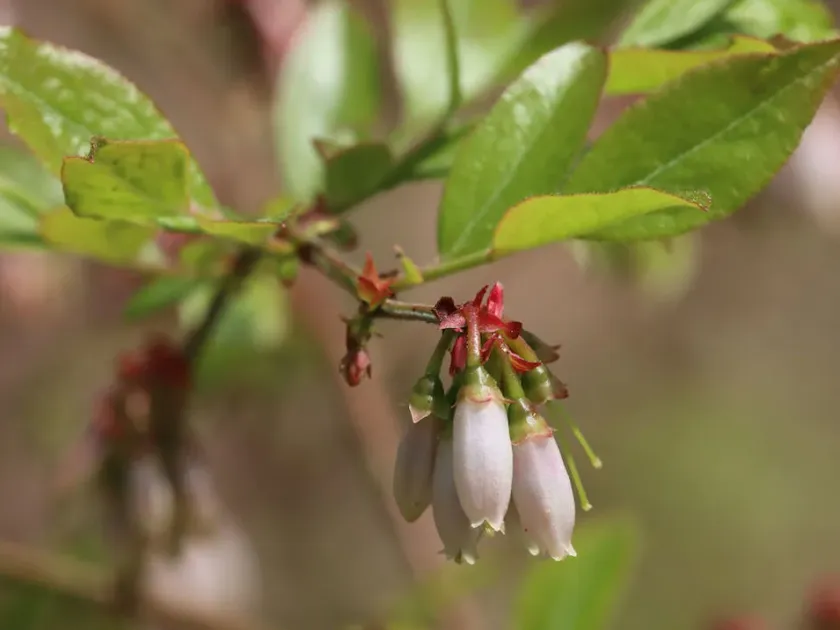
The plant grows as a vigorous shrub reaching heights of 2 to 5 meters. It features lanceolate to elliptic leaves and produces firm, sweet berries that are well-regarded for their storage and transport capabilities.
Propagation is typically performed via hardwood or softwood cuttings during the spring or summer months. Nursery-grown plants with well-established root systems are preferred for commercial planting.
Selecting a location with full sunlight is critical, as shading significantly reduces fruit set and quality. Plants should be spaced 1.5 to 2 meters apart to ensure adequate airflow and prevent overcrowding.
The species is highly adaptable to warmer climates but requires specific soil conditions to support the essential symbiotic mycorrhizal fungi that aid in nutrient uptake.
Growing requirements
The most important requirement for rabbit-eye blueberry is acidic soil with a pH range of 4.5 to 5.5. The substrate must be loose, rich in organic matter, and provide excellent drainage.
These plants are highly sensitive to waterlogging. In areas with high water tables or heavy soil, it is necessary to construct raised beds to prevent root rot and ensure the health of the plant.
Vaccinium virgatum thrives in moderate to warm climates and shows higher heat tolerance compared to northern highbush varieties. Regular irrigation is mandatory, especially during the fruit-filling phase.
Fertilization should be specific for acid-loving plants; chlorine-based fertilizers or lime must be avoided, as these can alter the pH and kill the beneficial root fungi.
Mulching the root zone with 10–15 cm of pine bark, sawdust, or pine needles is essential to retain moisture, regulate soil temperature, and prevent weed competition.
Yield
The rabbit-eye blueberry is known for its high yield potential. A mature, well-maintained shrub can produce between 10 and 15 kilograms of fruit per season.
Fruit ripening occurs gradually over several weeks, which facilitates a longer harvest window and provides a continuous supply of fresh produce for the market.
Optimal productivity is usually achieved between 6 and 15 years of age. Regular pruning is necessary to maintain a balance between vegetative growth and fruit production, preventing small berry size.
The fruit is used for fresh consumption, as well as for commercial processing into juices, preserves, and frozen products, thanks to its firm texture.
Selecting the right variety for specific local conditions is essential for commercial success and helps ensure high-quality berries that meet market standards.
Main diseases and pests
Fungal diseases, such as anthracnose and gray mold, pose the greatest threat, particularly in humid environments where airflow is restricted inside the canopy.
Common insect pests include curculios, leafrollers, and aphids, which can damage emerging shoots and flower buds, negatively impacting the overall health and vigor of the plant.
Integrated pest management strategies should include prophylactic fungicide applications in early spring, before bud break, to reduce the initial inoculum.
Frequent monitoring of the undersides of leaves and the root zone is necessary to detect and address pest outbreaks before they cause significant economic damage.
Sanitation practices, including the removal of infected or dead branches, are crucial for maintaining a healthy plantation and minimizing disease pressure.
Harvesting
Harvesting can be conducted manually or by using semi-automated mechanical harvesters, as the firm skin of the berries allows for efficient handling.
The harvest index is determined by the skin color, which changes from pink to a deep blue-black with a waxy bloom when the fruit is fully mature.
Picking should be avoided during or immediately after rain or heavy dew, as wet berries are more susceptible to decay and have a shorter shelf life.
Post-harvest, the berries must be cooled to 2–5 degrees Celsius as quickly as possible to slow down respiration and metabolic deterioration.
Effective post-harvest logistics, including cold chain management, are vital for delivering high-quality, fresh blueberries to the consumer.