
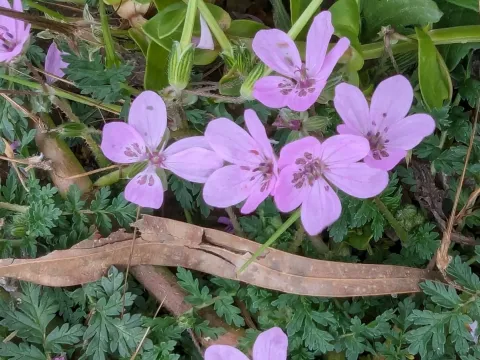
Erodium primulaceum
Erodium primulaceum
Erodium primulaceum belongs to the Geraniaceae family. This perennial herbaceous plant naturally thrives in the Mediterranean region, particularly across the Iberian Peninsula, where it has adapted to specific climatic challenges.
What the section contains
Erodium primulaceum
The crop is highly resilient, capable of flourishing in rocky, nutrient-poor soils. It prefers well-drained substrates with a neutral to slightly alkaline pH, making it an excellent candidate for the reclamation and stabilization of eroded agricultural slopes.
Botanically, the plant is characterized by a dense basal rosette of leaves reminiscent of primrose species. Its stems are often prostrate or ascending and are covered in fine hairs that play a vital role in reducing evapotranspiration during intense summer heat.
Successful cultivation requires high levels of solar irradiance. The plant is sensitive to waterlogging, necessitating precise site selection and soil management to ensure that moisture does not accumulate around the roots during the vegetative phase.
The agricultural value of this species lies in its potential as a drought-tolerant forage crop. It maintains a high protein content and overall nutritional density even during prolonged dry spells, offering a stable feed source when other pasture grasses exhibit reduced yields.
The primary threats to Erodium primulaceum include fungal root diseases, often triggered by poor drainage or excessive soil moisture levels. High humidity during the flowering season can also promote the onset of powdery mildew.
Pest pressure is most significant from leaf-eating insects, including various weevil species and lepidopteran larvae. Severe infestations can rapidly deplete vegetative biomass, significantly impacting the yield of forage intended for hay or grazing.
Effective management relies on strict crop rotation practices and the prevention of soil compaction. When fungal symptoms appear, the application of broad-spectrum systemic fungicides is recommended to preserve the leaf canopy.
The most vulnerable period is during the active rosette growth stage. During this time, growers should monitor for pest activity and ensure that nitrogen application is balanced to avoid excessive succulent growth that could attract pathogens.
Integrated pest management protocols, including regular field monitoring and the use of traps, help minimize the need for chemical intervention. Preserving natural predators of common pests is key to maintaining a sustainable balance within the crop field.