
Bog cranberry
Vaccinium oxycoccos L.
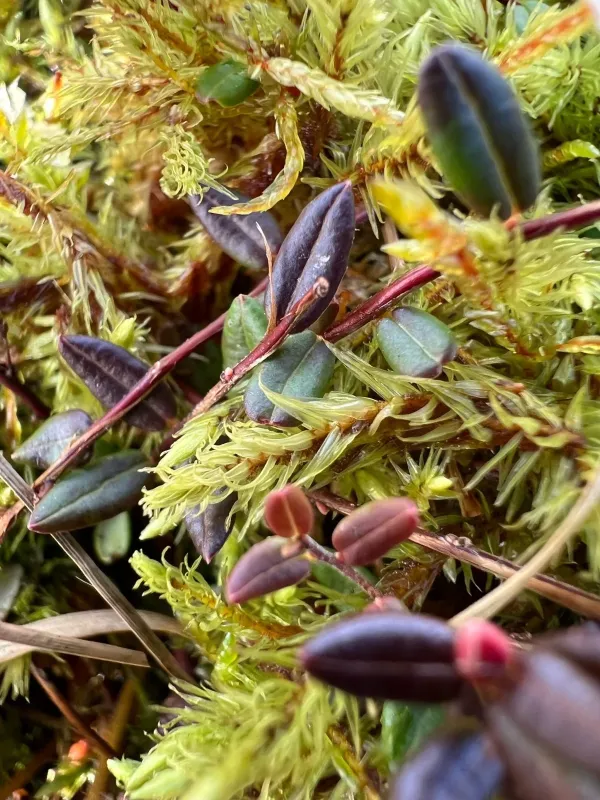
Description
Sowing dates
Bog cranberry (Vaccinium oxycoccos L.) is a creeping evergreen subshrub belonging to the Ericaceae family. It naturally spreads via trailing stems that root at the nodes, creating a dense, continuous mat across the surface of the soil.
For commercial cultivation, propagation is typically done through stem cuttings, approximately 10–15 cm in length. Planting is most successful in early spring, just as the plants begin to emerge from dormancy, or in early autumn.
The cuttings are inserted into the growing medium so that about one-third of the stem remains above the surface. A standard planting density is 10x10 cm, which encourages the formation of a solid stand and minimizes the space available for invasive weed species.
High moisture levels are critical during the first few weeks following planting. The young roots are delicate and sensitive to desiccation, so frequent light irrigation is necessary to ensure successful establishment of the new crop.
Growth is relatively slow in the first season as the plant focuses on root development and lateral spread. Proper soil preparation, specifically the creation of a loose, peat-based substrate, is essential for promoting healthy vegetative growth.
Growing requirements
The fundamental requirement for successful bog cranberry production is a highly acidic soil, ideally with a pH level between 3.0 and 4.5. Sphagnum peat moss is the preferred growing medium due to its ability to maintain acidity and provide excellent water retention.
The plant thrives in moist environments but cannot tolerate total submersion for extended periods. The water table should be managed at a depth of 20–30 cm, providing consistent hydration without inducing root rot or suffocation.
Cranberries are photophilic and require full sun exposure to flourish. Shaded conditions lead to weak stems, reduced flower bud formation, and increased susceptibility to fungal pathogens, ultimately resulting in a significant drop in yield.
Temperature management is vital; while the plant is winter-hardy and survives under snow cover, spring frosts during the blooming period are a major threat. Frost protection systems, such as overhead sprinklers, are standard practice in professional farming.
Regular sand top-dressing is a key horticultural practice. Applying a thin layer of sand helps to anchor the runners, suppresses weeds, and improves the overall microclimate at the soil surface, which is beneficial for cranberry development.
Yield
Yields for bog cranberries vary significantly depending on the age of the stand and the intensity of the management practices. In well-maintained commercial operations, yields typically range from 1 to 3 tonnes per hectare.
The first harvestable crop is usually expected in the third year after planting. By this stage, the vines have covered the surface effectively, and the plant has redirected energy from vegetative spread to reproductive growth.
Peak production is achieved between the fifth and seventh year. With appropriate fertilization, water management, and pest control, a well-tended cranberry bog can remain highly productive for several decades.
To maximize yields, it is important to provide supplemental nutrition tailored for acid-loving plants. Over-fertilization should be avoided, as it can cause excessive vine growth at the expense of fruit production.
Climate fluctuations, especially dry spells during the fruit-sizing stage in July, can negatively impact berry size. Supplemental irrigation is essential to maintain steady growth and fruit quality throughout the ripening period.
Main diseases and pests
Fungal diseases are the primary threat to cranberry health, with snow mold being particularly problematic in colder climates. Proper field drainage and air circulation are the most effective preventative measures against fungal outbreaks.
Phomopsis and various fruit rots can severely damage a crop if left unchecked. A systematic monitoring program is necessary to identify early symptoms and apply targeted fungicide treatments according to local agricultural regulations.
Insect pests, such as leafrollers, can cause significant damage to foliage and developing flower buds. Integrated Pest Management (IPM) strategies, which prioritize biological controls, are increasingly used to minimize the need for chemical intervention.
Maintaining a clean field environment by removing debris and keeping weed competition low helps to reduce the habitat for both pests and disease-carrying pathogens.
- Snow mold
- Phomopsis twig blight
- Fruit rot
- Leafrollers
- Mites
Harvesting
The harvesting season for bog cranberries generally begins in September. Berries harvested during this phase are firm and have a high acid-to-sugar ratio, making them ideal for long-term storage and international shipping.
Late-season harvesting, occurring after the first autumn frosts, yields berries with higher sugar content and a deeper color. These berries are softer and more delicate, intended for immediate processing or freezing.
Mechanical harvesting is common in large-scale operations, utilizing specialized equipment designed to strip berries from the vines. Successful mechanical harvest requires a level field and strong, established vines to withstand the physical impact.
Hand harvesting is still practiced for high-quality, fresh-market production. This method significantly reduces mechanical bruising, preserving the integrity of the fruit and resulting in a higher-value product.
Post-harvest management is crucial for maintaining fruit quality. Berries must be cooled immediately after picking to prevent decay and are typically stored in temperature-controlled facilities with high relative humidity.