
Bog bilberry
Vaccinium uliginosum L.
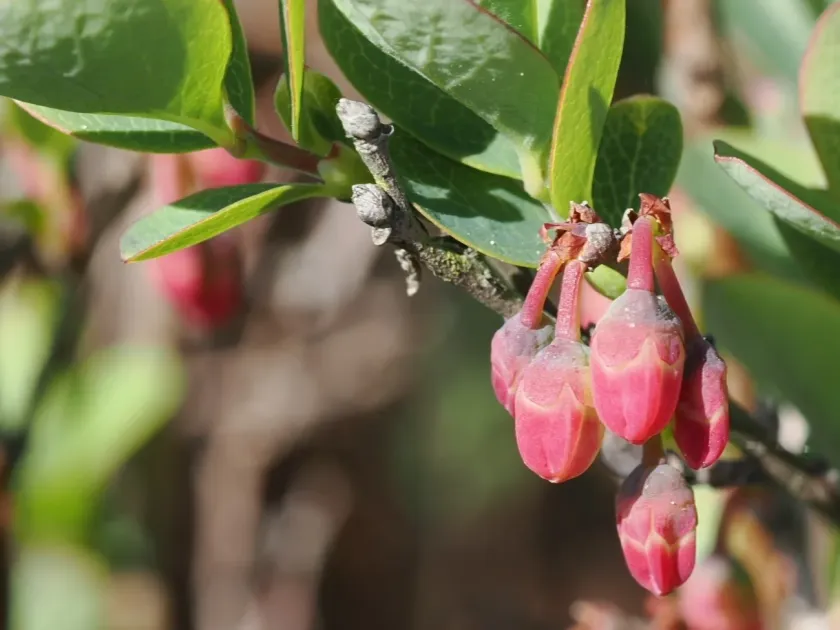
Description
Growing requirements
The bog bilberry (Vaccinium uliginosum L.) belongs to the Ericaceae family. It is a deciduous perennial shrub natively found in the northern regions of the Northern Hemisphere, often growing in peatlands, marshes, and damp forest areas.
The primary horticultural requirement for this crop is acidic soil, with an ideal pH range of 3.5 to 5.0. Like other members of the heath family, it relies on ericoid mycorrhiza in its root system to effectively absorb nutrients from the soil.
It prefers sunny locations, although it can tolerate light shade. Proper air circulation is essential to prevent the accumulation of humidity within the foliage, which is a major factor in reducing the risk of fungal infections.
Moisture management is critical; the soil must remain consistently moist but well-drained. Excessive standing water can suffocate the roots, leading to plant decline. Mulching with pine needles or acidic peat is a standard practice to retain moisture.
Cultivation practices require the use of specific fertilizers designed for acid-loving plants. Avoid using standard fertilizers that increase soil alkalinity, as they are detrimental to the mycorrhizal fungi essential for the plant's survival.
Yield
The yield of Vaccinium uliginosum depends heavily on the age of the shrubs and environmental conditions. Mature plants in well-managed plantations can yield significantly higher quantities than those growing in the wild.
Average commercial production can reach up to 2–4 tons per hectare under ideal conditions. Proper irrigation during the fruit set stage is vital to ensure berry size and prevent premature dropping of the flowers.
Regular pruning is the key to maintaining consistent production. Removing stems that are older than six or seven years encourages the growth of vigorous new shoots, which are significantly more productive in the following seasons.
Harvesting is typically done in multiple passes, as the berries ripen sequentially over several weeks. Once picked, the fruit is delicate and requires prompt cooling to maintain its shelf life and nutritional quality.
The fruit has significant culinary and commercial value, being widely used for juices, jams, wines, and as a high-antioxidant dietary supplement. Its popularity in health-focused markets continues to grow globally.
Main diseases and pests
Fungal pathogens represent the most significant threat to bog bilberry crops. Diseases such as grey mold and stem blight can spread rapidly in poorly ventilated plantings or during seasons with excessive rainfall.
Common pests include aphids, leaf rollers, and various mite species. These organisms can damage leaves, buds, and fruit, leading to reduced photosynthesis and potential yield loss if not managed effectively.
Integrated pest management, including monitoring and sanitation, is the best strategy. Removing infected material and maintaining optimal plant spacing are highly effective preventative measures against disease outbreaks.
Chemical control should be employed only when necessary, choosing fungicides or insecticides that are safe for use on edible berry crops and strictly following the pre-harvest interval guidelines.
- Gray mold (Botrytis)
- Stem blight (Phomopsis)
- Leaf-rolling caterpillars
- Aphids and scale insects