
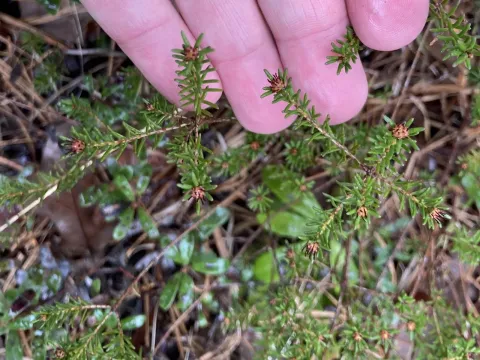
Corema
Corema
Corema is a genus of evergreen shrubs belonging to the Ericaceae family. These plants are biologically adapted to harsh environmental conditions, such as coastal sand dunes, where they thrive despite low nutrient availability and high salinity exposure.
What the section contains


Corema
The natural range includes the Atlantic coasts of Europe (Corema album) and eastern North America (Corema conradii). The culture requires well-drained, acidic, and low-nutrient soils, exhibiting significant tolerance to strong coastal winds and salt spray.
For successful cultivation, a temperate climate without extreme heat is essential. The plant is highly sensitive to waterlogging; therefore, maintaining excellent soil drainage that replicates natural sandy conditions is a critical aspect of plant management.
Agronomic practices for Corema involve creating conditions similar to its native habitat, including mulching with pine needles or acidic peat and maintaining a soil pH between 4.5 and 5.5. The shrub does not compete well with weeds, necessitating meticulous site maintenance.
The primary use of this plant is ornamental, although the berries are edible. Historically, these fruits have been used in local culinary traditions in coastal regions for preparing refreshing beverages and unique desserts, providing a distinct forest-berry flavor profile.
The primary threats to Corema involve fungal diseases that proliferate under conditions of high humidity and poor air circulation. Root rot is particularly dangerous and often fatal, as the plant's delicate root system has a limited ability to recover from moisture-induced decay.
Pests such as spider mites may cause damage during dry, hot spells. Growers are advised to conduct regular monitoring of the foliage and apply targeted, organic-based treatments that do not disrupt the sensitive acidic soil balance required for healthy development.