
Cylindrical-leaved blueberry
Vaccinium cylindraceum
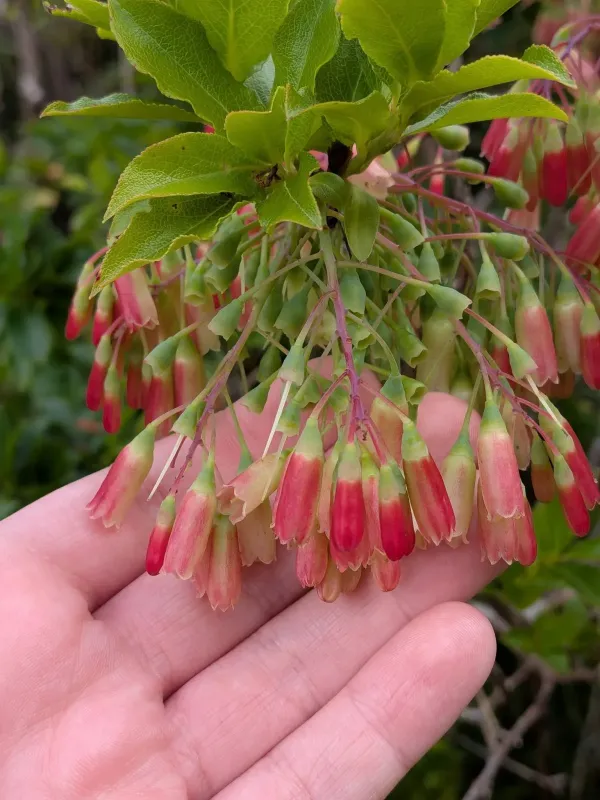
Description
Growing requirements
Vaccinium cylindraceum, commonly referred to as the Azores blueberry, is a shrub belonging to the Ericaceae family. It is native to the Azores archipelago and is highly valued for its unique botanical appearance and aesthetic qualities in temperate gardens.
The culture requires acidic soil conditions with a pH typically ranging between 4.5 and 5.5. A well-draining, organic-rich medium is essential to simulate the natural forest environment where this species thrives in its native habitat.
Regarding climate, this plant is best suited for mild, maritime environments with moderate rainfall and limited temperature fluctuations. It is sensitive to severe frosts and extreme heat, requiring protection if cultivated in regions with harsh winters.
Agrotechnical practices involve consistent irrigation and the use of pine needles or peat for mulching. These practices help maintain soil moisture and suppress weed growth, which is critical for the shallow root system of this shrub.
Propagation is typically achieved through soft-wood cuttings taken during the growing season. Successful rooting requires high humidity and a stable temperature, making a greenhouse or a humidity-controlled environment highly recommended for propagation.
Harvesting
The berries of Vaccinium cylindraceum are distinctively cylindrical and turn a deep, dark purple or black color when fully ripe. Harvesting is performed by hand, as the fruit is fragile and requires careful handling to prevent bruising.
The culinary use of the berries is limited to fresh consumption, often locally favored for their unique tart-sweet flavor profile. They are considered a specialty crop rather than a mass-market commodity.
The harvest season generally occurs in late summer, depending on the microclimate of the cultivation area. Monitoring the ripening process is crucial, as the fruit does not continue to mature significantly after being picked.
Post-harvest handling is critical for maintaining quality. Berries should be stored in refrigerated conditions and consumed promptly, as they have a relatively short shelf life compared to commercial highbush blueberry varieties.
While not commercially significant, the plant holds a special place in specialized nurseries and botanical collections, where it is cultivated for its ornamental berries and interesting foliage.