
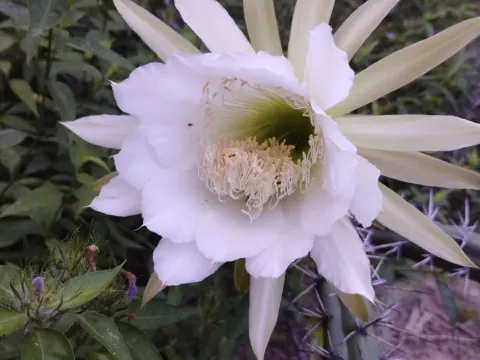
Eriocereus
Eriocereus
Eriocereus is a genus of cacti belonging to the Cactaceae family, now largely classified under the genus Harrisia. These plants are characterized by their sprawling, shrub-like growth habit with elongated, ribbed stems that often produce large, nocturnal flowers.
What the section contains
Eriocereus
The natural habitat of Eriocereus spans South American regions including Argentina, Brazil, and Paraguay. As a cultivated crop, it demands high levels of solar radiation and excellent drainage, mirroring its native arid and semi-arid ecological niches.
Cultivation requires a growing medium composed of well-aerated sandy soil and mineral aggregates. Proper drainage is the most critical factor; water must pass freely through the container or soil to prevent the development of root rots, which are the primary cause of plant loss.
Temperature management is essential for successful growth. Eriocereus prefers warm conditions and is intolerant of frost. During the dormant winter period, temperatures should be lowered to induce a rest phase, which is vital for the initiation of flowering in the subsequent season.
Watering frequency should be adjusted seasonally. During the summer, moderate hydration is needed when the soil is completely dry. In winter, the plant requires near-total dryness to prepare for the growing cycle, ensuring the structural integrity of the succulent stems.
The primary pest threats to Eriocereus include mealybugs and spider mites. These pests thrive in indoor or greenhouse environments where air circulation may be limited, leading to sap loss and decreased plant vigor over time.
Fungal infections such as stem rot and root rot represent the most significant threat to the crop. These conditions are almost exclusively triggered by overwatering or high humidity levels that compromise the cactus's natural resistance to pathogens.
Integrated pest management involves the strategic use of miticides and systemic insecticides. Regular inspection of the cactus areoles is crucial, as this is where pests like mealybugs typically establish colonies before spreading to the main stems.
Sanitation practices are vital; infected plant parts should be excised immediately using sterilized blades to prevent the systemic spread of rot. Improving airflow around the plants significantly reduces the risk of fungal outbreaks in protected cultivation.
Monitoring the soil pH and nutrient levels helps maintain overall plant health, making the cactus less susceptible to diseases. Avoiding excessive nitrogen fertilization is recommended to ensure that the stem tissues remain dense and resilient against both pathogens and herbivores.