
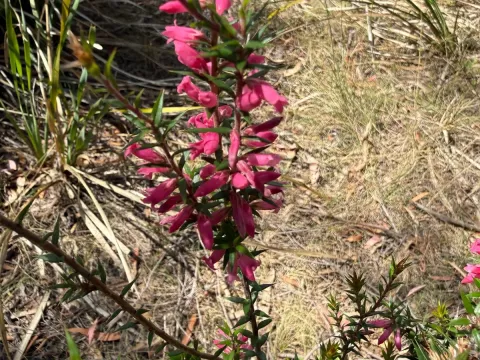
Common heath
Epacris impressa
Common heath (Epacris impressa) is an evergreen woody shrub belonging to the Ericaceae family. Native to southeastern Australia and Tasmania, this plant is well-adapted to environments ranging from coastal heaths to mountainous forest slopes, where it typically grows in nutrient-poor but well-drained soils.
What the section contains
Common heath
The cultivation of Epacris impressa requires specific soil conditions. It strictly demands an acidic substrate with high drainage capabilities; any moisture retention near the root zone will almost inevitably lead to root rot. Gardeners often use specialized potting mixes intended for acid-loving plants to simulate natural conditions.
Climate requirements for this culture involve protection from intense heat and direct sunlight during peak summer hours. While it is hardy in cool to moderate climates, it does not tolerate severe waterlogging or extreme alkalinity, making it essential to monitor soil pH and hydration levels constantly during the growth cycle.
Botanically, the plant is characterized by rigid, lanceolate leaves and tubular flowers. The flowers are notable for their five distinct indentations or "impressions" at the base of the corolla tube, from which the botanical name impressa is derived. The inflorescences can display a spectrum of colors including white, pink, and deep crimson.
In horticultural practice, Common heath is primarily utilized as an ornamental plant. Due to its long flowering season and distinct floral architecture, it is highly valued in rock gardens, native plant displays, and container gardening. It serves as an iconic symbol of Australian floral heritage, often incorporated into landscape designs that celebrate native biodiversity.
The primary pathological threat to Common heath is root rot caused by the soil-borne pathogen Phytophthora cinnamomi. This fungus thrives in moist, warm soil conditions and quickly destroys the root system, often resulting in sudden wilting. Maintaining excellent drainage and avoiding over-irrigation are the best preventative measures.
Pest pressures are generally manageable but include sap-sucking insects like mealybugs and scale insects. These pests settle on the foliage and stems, extracting vital nutrients and weakening the shrub's immunity. Regular monitoring and the application of mild horticultural oils are effective for maintaining plant health in both outdoor and greenhouse settings.