
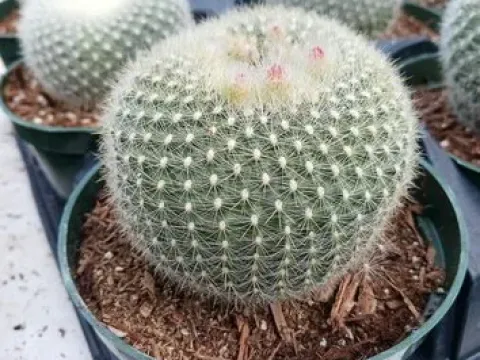
Eriocephala
Eriocephala
Eriocephala is a genus of perennial evergreen shrubs belonging to the Asteraceae family. Native to the arid landscapes of Southern Africa, these plants have evolved specific physiological adaptations to thrive in regions characterized by low precipitation and intense environmental stress.
What the section contains
Eriocephala
Botanically, the plant is renowned for its striking silver-grey foliage, which is covered in fine, dense hairs. This pubescence serves a vital biological function by reflecting excess sunlight and minimizing transpiration, allowing the plant to maintain water balance under harsh conditions.
Successful cultivation of Eriocephala requires well-draining, sandy, or rocky soil. The plant is highly intolerant of waterlogged substrates, making the selection of a proper planting site with excellent drainage a critical requirement for long-term health and growth.
The culture thrives in Mediterranean-type climates, characterized by hot, dry summers and mild winters. While it is somewhat resilient to occasional temperature drops, it is primarily suited for regions where the soil does not freeze deeply, or it should be managed in containers for winter protection.
Agricultural management is relatively simple, requiring minimal fertilization and strategic pruning. Pruning is essential after the flowering period to encourage branching and maintain the structural integrity and dense form of the shrub, preventing the center from becoming woody and bare.
The primary threats to Eriocephala are fungal diseases resulting from high humidity and poor air circulation. Overwatering or planting in heavy, clay-rich soils significantly increases the risk of root rot, which is often fatal if not identified early through yellowing of the foliage.
While primarily an ornamental crop, harvest involves the collection of dried flower heads or foliage cuttings in some specialized landscape industries. Harvesting should be performed during dry weather to ensure longevity and prevent microbial contamination of the plant materials.