
Highbush blueberry
Vaccinium angustifolium x Vaccinium myrsinites x Vaccinium corymbosum
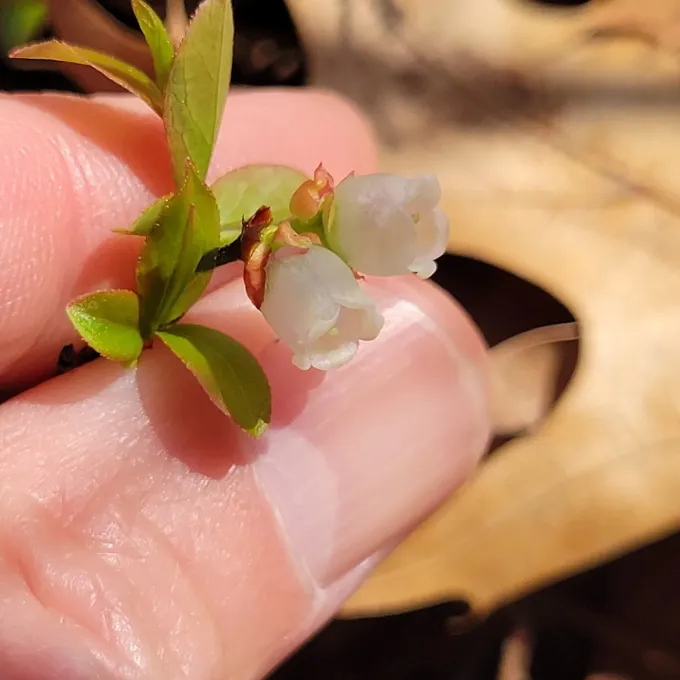
Description
Growing requirements
The highbush blueberry belongs to the Ericaceae family. It is a commercial hybrid derived from North American native species, specifically Vaccinium corymbosum, selected for its upright growth habit and high yield potential.
The fundamental requirement for success is highly acidic soil, with a pH level between 3.5 and 4.5. Soils that are not acidic enough prevent the plant from absorbing vital nutrients, quickly leading to chlorosis and stunted development.
These plants thrive in light, well-draining soils rich in organic matter. Peat-based soils are often preferred as they retain moisture while allowing adequate air circulation around the shallow, fibrous root system.
Highbush blueberries require full sun to reach their full potential. Sufficient light exposure is essential for fruit ripening, sugar accumulation, and the overall vigor of the bush, which directly affects long-term productivity.
Mulching is a standard practice in blueberry cultivation. Using acidic organic materials like pine bark, pine needles, or sawdust helps retain soil moisture, suppress weeds, and gradually maintain the required low pH levels.
Yield
The yield of a highbush blueberry plant is influenced by genetic variety, bush maturity, and environmental conditions. With proper irrigation and site preparation, these plants are highly productive over a lifespan of several decades.
A mature, well-maintained bush typically yields between 3 to 8 kilograms of fruit per season. Maximizing this output requires a careful balance of water, nutrition, and pruning to ensure the plant directs energy into high-quality fruit production.
Regular pruning is vital for maintaining yield. By removing old, grey-barked canes and congested growth, gardeners can stimulate the production of healthy new shoots that bear larger berries in subsequent seasons.
Water management is critical during the fruit development stage. Since blueberries have shallow roots, they are prone to water stress; consistent moisture throughout the growing season is necessary to prevent fruit shriveling.
Harvesting is usually done in multiple passes, as berries on a cluster do not ripen simultaneously. Professional picking ensures only fully colored, ripe fruit is gathered, which maximizes flavor and shelf-life for the consumer.
Main diseases and pests
Fungal diseases such as powdery mildew, anthracnose, and Botrytis blight are common threats to highbush blueberries. These pathogens typically thrive in humid environments with poor airflow, making site hygiene essential.
Stem blight and Phomopsis can cause severe damage by killing off individual canes. Prompt identification and the removal of infected branches are the primary methods for containing these diseases within the plantation.
Common pests include aphids, leafrollers, and various root-feeding grubs. Integrated pest management strategies, such as monitoring traps and encouraging beneficial predatory insects, can help mitigate damage without excessive chemical use.
Birds are often the most significant cause of fruit loss before harvest. Physical barriers, such as netting, are the most effective method to protect berries during the ripening phase when they are most attractive to local wildlife.
Prevention remains the best strategy for maintaining a healthy blueberry crop. This includes selecting disease-resistant cultivars, ensuring proper spacing between plants, and practicing meticulous weed management throughout the year.