
Shiny blueberry
Vaccinium myrsinites Lam.
Description
Growing requirements
Vaccinium myrsinites, commonly known as shiny blueberry, is an evergreen shrub belonging to the Ericaceae family. It is native to the southeastern United States, thriving primarily in the pinelands and scrub areas of Florida, Georgia, and the Carolinas.
The cultivation of this species requires specific edaphic conditions, primarily acidic soils with a pH ranging from 4.5 to 5.5. A well-draining, sandy loam texture is ideal to replicate its natural environment and prevent root asphyxiation during wet periods.
This crop prefers full sun to light shade. While it is relatively drought-tolerant once established, supplemental irrigation is recommended during peak fruit development to ensure consistent yields and fruit size, especially in hotter climates.
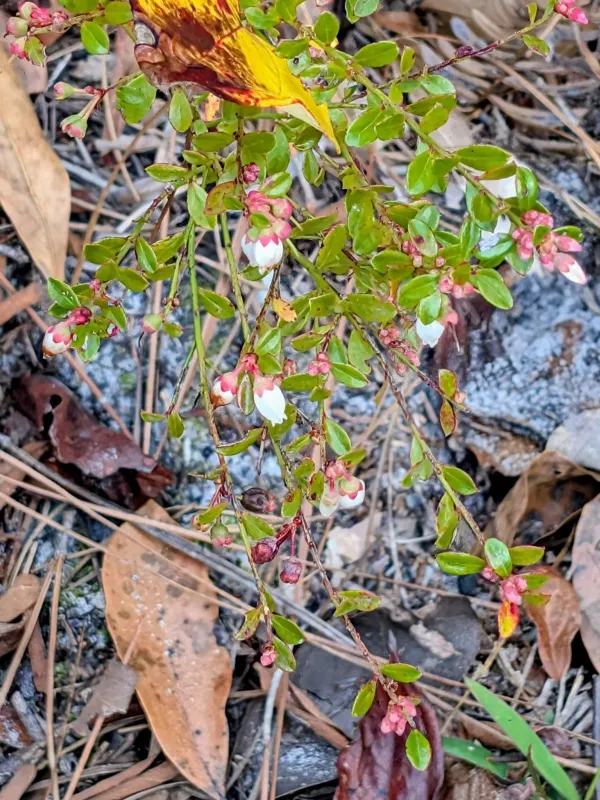
Botanically, the plant is distinguished by its small, glossy, leathery leaves and terminal clusters of flowers. The shrub typically grows to a height of 1 to 2 feet, spreading via rhizomes to form dense, attractive mats that provide excellent ground cover.
The economic value of the species lies in both its production of palatable, nutrient-rich berries and its ornamental utility. It is frequently employed in landscaping as a low-maintenance, native shrub that supports local pollinators and provides edible harvests.
Main diseases and pests
Root diseases such as Phytophthora root rot pose the most significant threat to the plant's health. Improving drainage and ensuring the site is not prone to waterlogging are the most effective preventative measures against these pathogens.
Foliar pests, including aphids and thrips, can cause damage during the flushing of new growth in the spring. Integrated pest management strategies should be adopted to minimize the use of chemical pesticides while maintaining the plant's evergreen aesthetic.