
Vaccinium simulatum
Vaccinium simulatum Small
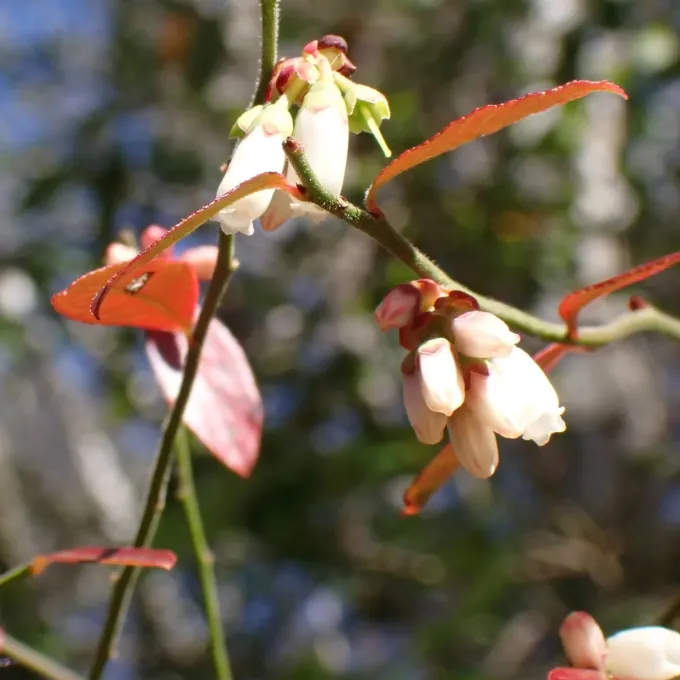
Description
Growing requirements
Vaccinium simulatum belongs to the Ericaceae family and is commonly recognized as a species of wild blueberry native to the Appalachian Mountains. This perennial shrub is highly valued for its ecological adaptability and potential for berry production in acidic soil environments.
The plant thrives in well-drained, acidic soils rich in organic matter. An ideal pH level for the growth of this species ranges between 4.5 and 5.5, which is essential for proper nutrient uptake, specifically iron and nitrogen absorption.
Climatic requirements involve regions with temperate weather patterns that provide sufficient chilling hours during the winter. It prefers sites with full sun to partial shade, which ensures the development of healthy foliage and flower buds for the subsequent season.
Regarding agricultural management, maintaining consistent soil moisture is crucial, as the shallow root system is prone to dehydration. However, the soil must be aerated to prevent waterlogging, which often leads to root damage and eventual plant mortality.
Host plant use extends to commercial berry production and selective breeding programs. The berries of Vaccinium simulatum are known for their distinct flavor profile and high content of bioactive compounds, making them a subject of interest for both local markets and research institutions.
Main diseases and pests
The species faces pressure from several fungal diseases, primarily powdery mildew, which can significantly inhibit photosynthesis during the summer months. Maintaining proper spacing between plants helps to reduce humidity levels in the canopy and prevents pathogen spread.
Anthracnose fruit rot is another major threat that can affect the quality and volume of the harvest. Implementing integrated pest management (IPM) strategies, including early removal of mummified berries, is essential for maintaining a healthy crop.
Pests such as blueberry maggots and scale insects can cause severe damage to the fruit and woody stems respectively. Careful observation of the plantation allows for timely intervention using soft pesticides that do not harm the local pollinator population.
Root pathogens thrive in compacted, poorly drained soils, often resulting in systemic wilt. Proper land preparation and the application of pine bark or leaf mold can mitigate these risks by enhancing the structure and acidity of the growing medium.
Fertilizer application should be handled with caution, as high concentrations of salts can be toxic to Ericaceae plants. It is highly recommended to use acid-forming fertilizers to support the plant's natural soil preferences throughout its growth cycle.