
Velvet-leaf blueberry
Vaccinium myrtilloides Michx.
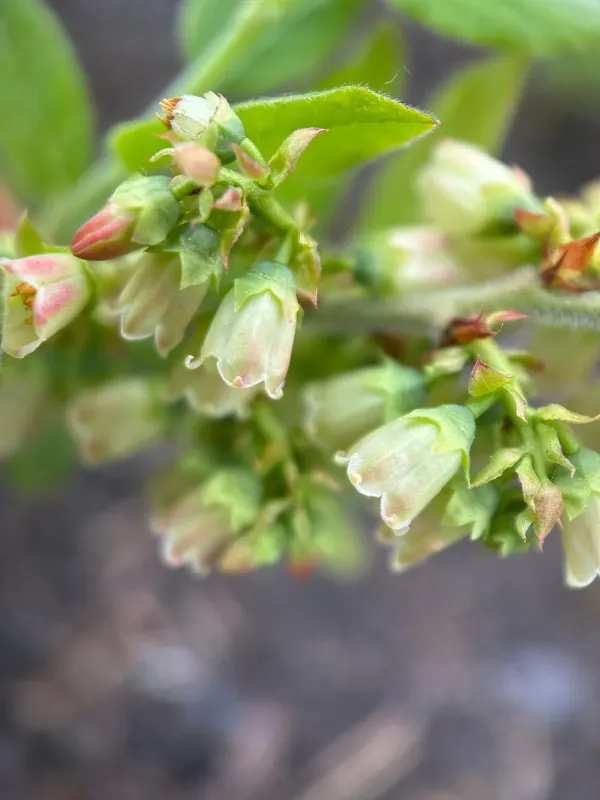
Description
Growing requirements
The Velvet-leaf blueberry (Vaccinium myrtilloides) is a deciduous shrub belonging to the Ericaceae family. Known for its small, velvety leaves, this plant typically reaches a height of 10 to 50 centimeters in its natural habitat.
Success in cultivation depends on providing acidic soil conditions, with an optimal pH range of 4.0 to 5.5. The plant thrives in well-drained, nutrient-rich soils, particularly those high in organic matter like peat or sandy loams.
This species is exceptionally cold-hardy, having evolved in the northern regions of North America. It requires a temperate climate with sufficient moisture, though it does not tolerate waterlogged, stagnant soil conditions.
Cultural practices should include annual mulching with pine needles, sawdust, or acidic peat. This layer maintains soil moisture, suppresses weed growth, and gradually acidifies the substrate, which is essential for root health.
The plant prefers full sun to light shade. In regions with intense summer heat, partial shade is beneficial to prevent leaf scorch and ensure the plant maintains its metabolic vigor throughout the growing season.
Yield
The yield of Vaccinium myrtilloides is influenced by environmental conditions and proper pruning regimes. The berries are small, rounded, and typically dark blue, often covered with a glaucous bloom.
Harvesting is usually a multi-step process due to the staggered ripening of the berries. This crop is highly valued for its intense flavor profile and its richness in antioxidants and dietary fiber.
To maximize production, gardeners should focus on water management and soil acidity maintenance. Regular monitoring of the pH level is crucial, as any shift toward neutral or alkaline soil will immediately impact berry size and yield.
Pruning is a vital horticultural practice. Removing old, non-productive stems encourages the growth of fresh canes. These younger stems are more robust and produce significantly more fruit buds compared to aged wood.
Economically, these berries serve as a high-quality specialty product. They are perfect for fresh market sales, artisan baking, preserves, and can be easily preserved through flash-freezing to maintain their nutritional content.
Main diseases and pests
The most common threats to Velvet-leaf blueberry plantations are fungal infections triggered by excessive moisture. Powdery mildew can impact foliage, potentially weakening the plant if not addressed early in the cycle.
Botrytis, or gray mold, often affects ripening fruit during wet seasons. Implementing proper plant spacing and ensuring good airflow between individual bushes are the most effective cultural controls for this pathogen.
Insect pests, such as aphids or leaf-rollers, can damage developing shoots. Integrated pest management strategies, utilizing beneficial insects or organic-approved sprays, are recommended to maintain plant health without chemical residues.
Root rot is a severe condition often associated with poor drainage. Once a plant is established in soil that does not drain well, it becomes highly susceptible to decay, which is why site selection is the primary preventative measure.
Maintaining a clean growing environment is essential. Removing fallen leaves and infected fruit debris at the end of the season reduces the overwintering inoculum of fungi, promoting a healthier start for the following spring.