
Bilberry
Vaccinium myrtillus L.
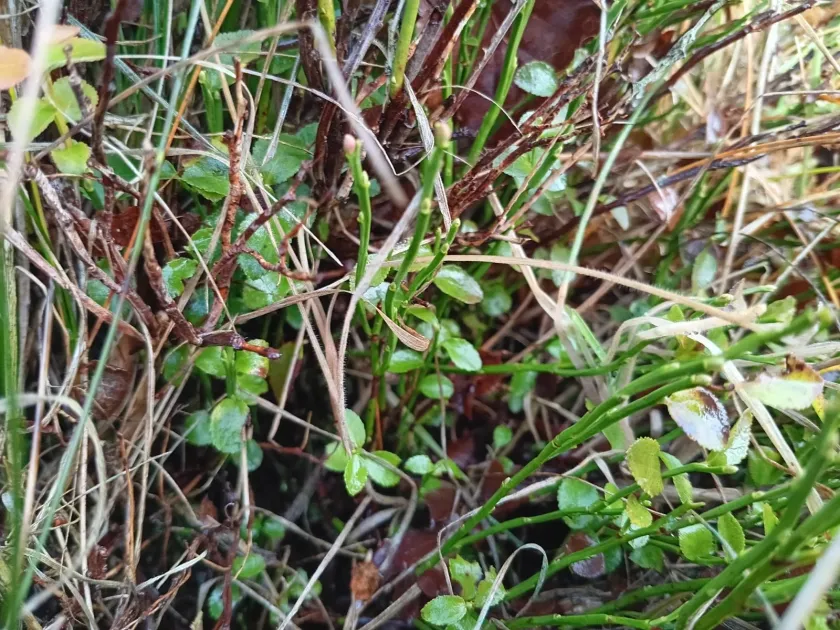
Description
Growing requirements
Bilberry (Vaccinium myrtillus L.) is a perennial deciduous shrub belonging to the Ericaceae family. It is native to the northern regions of Europe and Asia, thriving in woodland environments with acidic soils and moderate temperatures.
The plant strictly requires acidic soil conditions, ideally with a pH level between 3.5 and 4.5. Without this high level of acidity, the symbiotic relationship with mycorrhizal fungi, which the plant needs to absorb nutrients, cannot be established.
Bilberries prefer cool, moist climates with plenty of indirect sunlight. They do not tolerate prolonged heat or extreme drought, and their shallow root systems require constant soil moisture to function effectively.
When selecting a site for cultivation, it is essential to ensure good drainage. While the plant likes moisture, waterlogged soil can lead to root rot and severely damage the health of the shrub.
Mulching is a critical agronomic practice for bilberries. Using pine needles, bark, or acidic compost helps to maintain the required soil pH, suppresses weed growth, and preserves soil moisture throughout the growing season.
Yield
The yield of bilberries depends heavily on the age of the shrubs and the environmental conditions. Mature plants typically reach peak production between 5 and 10 years of age, provided they are managed correctly.
Productivity can be significantly enhanced through regular pruning, which encourages the development of younger, more vigorous shoots. Older branches tend to be less productive and should be removed periodically to maintain a high yield.
Bilberry fruits are highly prized for their content of anthocyanins and antioxidants. Their economic value makes them a significant crop for both fresh consumption and the pharmaceutical industry.
Pollination is a vital factor for yield success. As a cross-pollinating species, bilberry benefits greatly from the presence of wild bees and bumblebees during the flowering period, which ensures higher fruit set rates.
Maintaining balanced nutrition without the use of alkaline fertilizers is crucial. Nitrogen-based fertilizers intended for acid-loving plants are recommended to support robust growth and berry size.
Main diseases and pests
Bilberry plants are susceptible to various fungal diseases, most notably grey mould (Botrytis cinerea). This pathogen often attacks the fruit and leaves during periods of high humidity and poor air circulation.
Pests such as leafrollers and mites can also cause significant damage. These insects often feed on the buds or foliage, weakening the plant and reducing its photosynthetic capacity and fruit production.
Management strategies focus on preventive measures. Ensuring proper spacing between plants is important for air movement, which reduces the moisture trapped on the leaves and lowers the risk of fungal infections.
Integrated pest management, including the use of biological control agents, is preferred to ensure that the fruit remains safe for consumption and to minimize the environmental impact on the surrounding woodland ecosystem.
- Regular inspection for signs of fungal growth.
- Pruning to improve airflow within the canopy.
- Clearing surrounding weeds to reduce pathogen pressure.
Harvesting
Harvesting usually takes place from mid-summer through late summer, depending on the latitude and elevation. The berries should be collected only when they reach their characteristic deep blue or purple color.
Hand-picking is the traditional and most gentle method, ensuring that the fruit is not bruised and that the delicate fruiting spurs of the bush remain intact for the following season's growth.
Post-harvest care is critical. The berries have a short shelf life and must be cooled immediately to preserve their quality. Refrigeration at 0–2 degrees Celsius is necessary if the fruit is to be stored for more than a few days.
Packaging should be designed to allow for ventilation, as moisture accumulation in containers can lead to rapid decay of the berries. Shallow containers are ideal for preventing the crushing of the bottom layers of fruit.
Bilberries are versatile and can be processed into jams, juices, or frozen for long-term storage. Their high nutritional profile makes them a popular ingredient in health-conscious dietary products.