
Hybrid of highbush blueberry and deerberry
Vaccinium corymbosum x Vaccinium stamineum L. hybrid
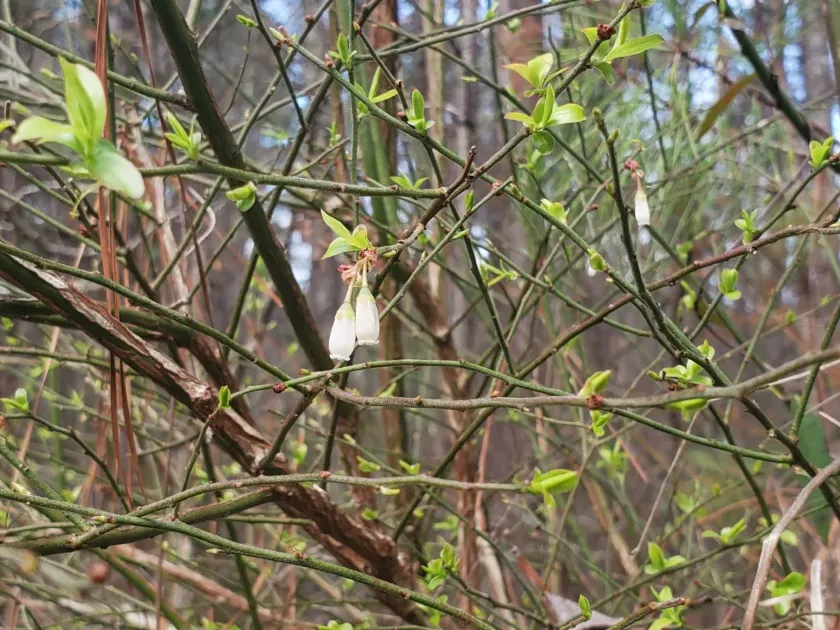
Description
Growing requirements
This hybrid results from the cross-breeding of Vaccinium corymbosum (highbush blueberry) and Vaccinium stamineum (deerberry), belonging to the Ericaceae family. It displays a unique combination of shrub architecture and fruit morphology, serving as a valuable subject for modern berry breeding programs.
The cultivation requires acidic soil conditions with a pH level ranging from 4.5 to 5.5. The soil structure must be well-drained and organic-rich to accommodate the sensitive, fibrous root system of this Ericaceae member.
Climate requirements include protection from severe temperature fluctuations and sufficient atmospheric moisture. While the hybrid inherits hardiness from its parent species, optimal performance is achieved in temperate zones with consistent seasonal cycles.
Agrotechnical management involves annual mulching with pine needles or wood chips to maintain acidity and soil moisture levels. Specialized fertilizers for acid-loving plants are necessary to ensure proper nutrient uptake throughout the growing season.
Economic use is primarily focused on genetic improvement and niche market berry production. The fruits are appreciated for their distinct flavor profile, which often combines the sweetness of highbush blueberry with the unique aromatic properties of the deerberry.
Main diseases and pests
Fungal pathogens such as powdery mildew, anthracnose, and botrytis blight are the most common threats to this hybrid. Maintaining proper spacing and air circulation within the shrub canopy is essential for disease prevention.
Pests such as leafrollers, aphids, and blueberry bud mites can cause significant damage to foliage and developing reproductive buds. Integrated pest management strategies, including early scouting, are recommended to maintain plant health.
Root rot caused by poor soil drainage remains a critical risk. If the plant shows signs of sudden wilting or chlorosis, immediate action should be taken to assess soil moisture and fungal presence around the roots.
Bird predation represents a major challenge during the harvest season. Using protective netting is the most effective way to prevent yield loss while allowing necessary light penetration for fruit development.
Sanitation practices, such as removing dead branches and clearing fallen leaves, are vital to reducing inoculum levels. Following these practices minimizes the need for heavy chemical intervention and supports sustainable growth.