
Vaccinium bracteatum
Vaccinium bracteatum Thunb.
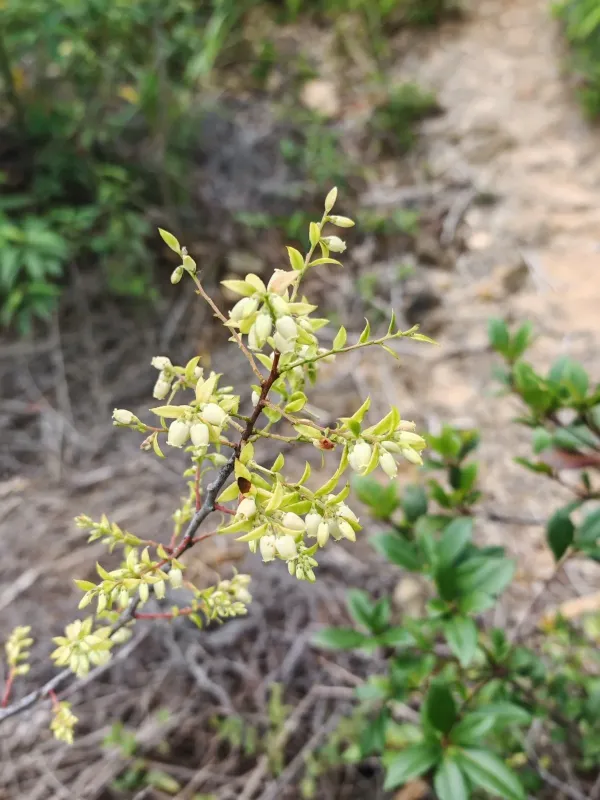
Description
Growing requirements
Vaccinium bracteatum is an evergreen shrub member of the Ericaceae family, known for its distinct foliage and fruit production capabilities. It typically grows as a dense, woody plant, reaching significant heights in optimal forest-like conditions.
The plant is native to East Asia, primarily occurring in regions across China, Japan, and Korea. It thrives in humid subtropical environments, requiring consistent moisture and protection from extreme temperature fluctuations to ensure healthy annual growth.
Success in cultivation relies heavily on soil chemistry, as the plant necessitates acidic soils with a pH between 4.5 and 5.5. A well-draining substrate rich in organic matter is essential to maintain the health of its fine, fibrous root system.
Regarding light requirements, it prefers a location that provides partial shade, especially during the hottest parts of the day. Too much direct sunlight can scorch the leaves, while deep shade often reduces the plant's vigor and berry production.
Agrotechnical practices should focus on maintaining high acidity levels using pine needle mulch or specialized fertilizers. Regular watering with soft, acidified water is vital to mimic the plant's natural habitat conditions and support its development.
Main diseases and pests
Fungal diseases represent the most significant threat to Vaccinium bracteatum, particularly in poorly ventilated or excessively humid conditions. Leaf spot and root rot are common issues caused by pathogens thriving in stagnant water.
Pest management should focus on monitoring for sap-sucking insects like scales and aphids. If left unchecked, these pests can weaken the plant and serve as vectors for secondary infections, significantly reducing the aesthetic and agricultural value.
Iron-deficiency chlorosis is a common physiological disorder observed when soil pH rises above the ideal threshold. This manifests as yellowing leaves while the veins remain green and requires immediate pH correction to restore nutrient absorption.
Environmental stress, such as frost heaving or windburn, can compromise the plant's integrity. Ensuring proper wind protection and applying thick, protective mulch helps shield the roots and stems from harsh winter weather conditions.
Effective plantation management requires strict hygiene, including the removal of dead or diseased biomass to prevent inoculum build-up. Proper spacing between plants ensures adequate airflow, which is critical for suppressing various fungal infections.