
Lingonberry
Vaccinium vitis-idaea L.
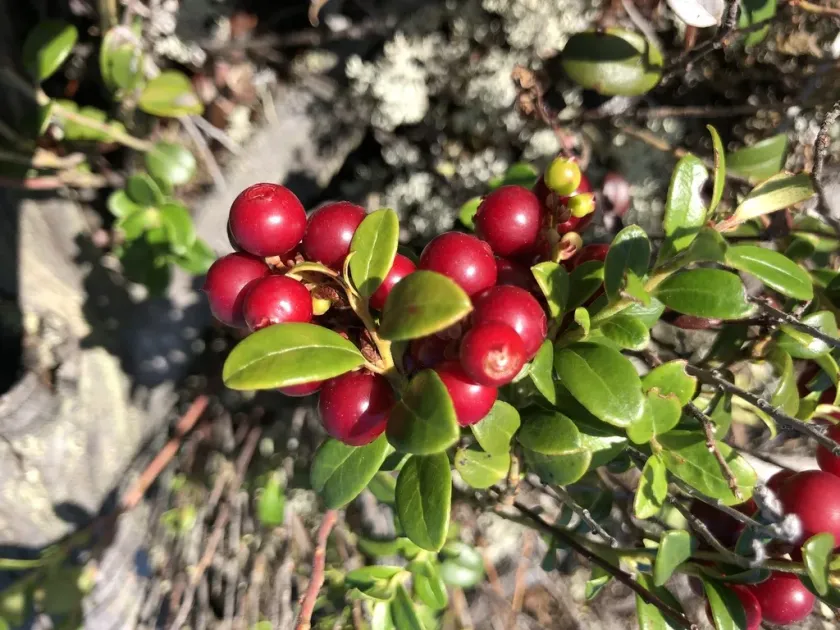
Description
Sowing dates
Lingonberry (Vaccinium vitis-idaea L.) belongs to the Ericaceae family. It is a perennial evergreen dwarf shrub that is typically established through vegetative propagation using rooted cuttings or rhizome sections.
The ideal planting time is early spring, after the frost has receded, or early autumn, which allows the plant to establish its root system before the onset of extreme winter temperatures.
Before establishing a lingonberry plantation, the soil must be prepared to be weed-free and acidic, as the plant cannot compete with aggressive weeds or grasses.
Quality planting material with a well-developed root system is crucial for success, ensuring that the shrubs grow uniformly across the designated agricultural plots.
Planting density is generally maintained at 25–30 cm between plants, providing sufficient space for growth and aeration, which is vital for long-term health and productivity.
Growing requirements
Lingonberries require specific soil conditions, specifically a pH range between 3.5 and 5.0. This acidity is necessary for the development of mycorrhizal fungi that assist in nutrient uptake.
The soil structure must be porous, well-draining, and rich in organic matter. Peat-based substrates are highly recommended to maintain moisture while preventing waterlogging.
Full sun or partial shade is necessary for optimal growth. Exposure to sufficient sunlight improves flower induction and ensures better ripening of the berries later in the season.
Water management is critical; the plants require consistent moisture but are highly sensitive to stagnant water, which can trigger root rot and other fungal diseases.
Mulching with pine needles or wood chips is a standard practice that helps maintain soil acidity, suppresses weed growth, and preserves soil moisture during the warm summer months.
Yield
Commercial yields of lingonberries typically become significant by the third or fourth year of cultivation, provided that the plantation is managed with proper irrigation and fertilization.
High-yield cultivars can produce a substantial amount of fruit per hectare, making lingonberry farming an attractive business for berry growers in suitable climates.
The berries are valued for their high vitamin content, antioxidants, and unique tart flavor, which makes them highly desirable for fresh market sales and commercial processing.
Regular fertilization with ericaceous-specific fertilizers is necessary to maintain nutrient balance, as traditional garden fertilizers can raise the pH level and harm the crop.
Post-harvest management involves careful cooling and packaging to ensure that the fruit retains its firmness and nutritional quality throughout the supply chain.
Main diseases and pests
Lingonberries are susceptible to several fungal diseases, including Monilia, snow mold, rust, Phomopsis, and powdery mildew, which can significantly damage plant health.
Phytophthora root rot is a major threat that causes sudden wilting and death, often triggered by poor drainage or contaminated soil management practices.
The condition known as 'Red leaf' can cause leaf discoloration and deformation, leading to a loss of photosynthetic efficiency and overall plant decline over time.
Integrated pest management, including fungicide application and physical removal of infected tissues, is essential to keep the plantation healthy and productive.
Monitoring for aphids and leaf rollers is also part of standard agricultural practice, as these pests can weaken the plants and increase their susceptibility to secondary infections.
Harvesting
Harvesting usually takes place in late summer or early autumn when the berries reach full maturity and display a deep red, glossy color and firm texture.
Mechanical harvesting aids or manual rakes are used in larger operations to speed up the process while minimizing damage to the delicate branches of the shrub.
One of the unique features of lingonberries is their natural shelf life, as they contain benzoic acid, a natural preservative that helps them stay fresh for longer periods.
The harvested fruit must be cleaned of debris and cooled down immediately to preserve the quality and prevent the spread of mold or decay during storage.
Efficient handling during harvest ensures that the berries remain in top condition, maximizing their value for fresh consumption, processing into jams, or freezing.