
Erica platycodon
Erica platycodon
Description
Growing requirements
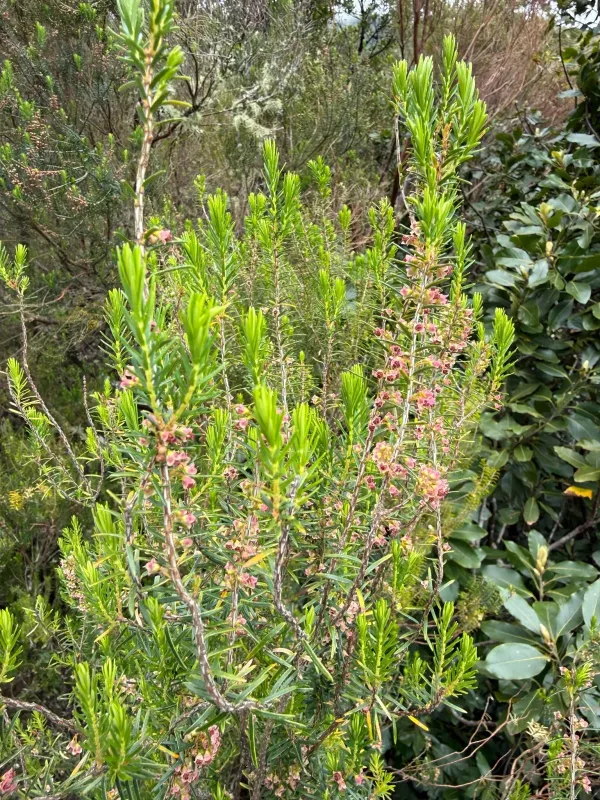
Erica platycodon is a perennial shrub belonging to the Ericaceae family, native to the Canary Islands. It is distinguished by its unique, broad, bell-shaped flowers and evergreen foliage that remains attractive throughout the growing season.
The plant has specific soil requirements, demanding acidic, well-draining substrates rich in organic matter. Proper aeration is crucial for the root system, as the species is highly susceptible to suffocation in compacted or waterlogged soils.
Climate conditions are a major factor in successfully cultivating Erica platycodon. It thrives in humid environments with moderate temperatures, avoiding extreme heat or freezing conditions, which makes it ideal for protected environments in cooler climates.
Watering management is essential, as the species requires consistent moisture levels without allowing the roots to stand in water. The use of soft water or rainwater is highly recommended, as mineral buildup can alter soil pH and harm the plant.
Placement in the nursery or garden should focus on providing partial shade. Protection from harsh, direct sunlight is necessary to prevent leaf scorching, while sufficient ventilation helps maintain overall plant vigor and reduces environmental stress.
Main diseases and pests
The primary threats to this culture are fungal diseases, particularly those affecting the roots and collar, caused by high humidity and poor circulation. Phytophthora remains one of the most destructive pathogens for this genus.
Insect pests such as spider mites represent a constant challenge, especially during drier spells. These pests infest the undersides of leaves, causing discoloration, stippling, and eventual leaf drop if left unmanaged.
Scale insects can also pose a significant risk by sucking plant sap and producing honeydew, which further encourages the growth of secondary sooty mold. Regular monitoring and physical removal of early-stage infestations are vital.
Preventative measures include maintaining optimal spacing between plants to ensure airflow and performing regular inspections. Using systemic or contact-based insecticides, depending on the severity, can effectively mitigate pest populations.
Proper hygiene, such as removing fallen leaves and debris from the base of the plant, reduces the availability of habitats for overwintering pests and fungal spores, contributing to a healthier cultivation environment overall.