
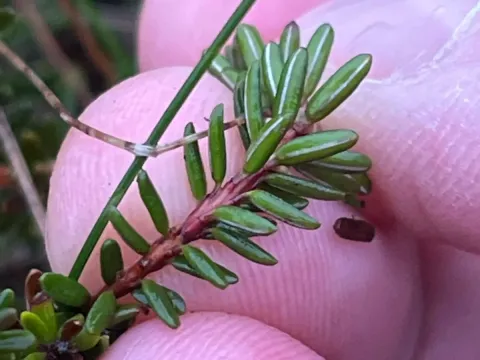
Crowberry
Empetrum nigrum
Crowberry (Empetrum nigrum) is an evergreen, dwarf shrub belonging to the Ericaceae family. The plant is primarily propagated vegetatively through cuttings or layering, as seed germination is a slow process that requires a long cold stratification period and has a low success rate.
What the section contains
Crowberry
The optimal time for planting seedlings in the field is during the early spring after the soil has thawed, or in the early autumn. Early planting allows the root system to adapt to the new environment before the onset of the dormant winter season.
When planting, it is essential to consider the creeping growth habit of the plant. A spacing of at least 50 to 70 centimeters between bushes is recommended to ensure adequate room for the horizontal spread of the stems and to prevent overcrowding.
Light, sandy, and peat-based substrates are ideal for rooting cuttings. The propagation process should take place in shaded conditions with strictly controlled humidity levels to prevent the cuttings from drying out while ensuring they remain well-ventilated.
Young plants require protection from direct sunlight during their first year of growth. Mulching with pine needles is highly recommended, as it helps conserve soil moisture and maintains the acidic pH levels necessary to support the plant's essential mycorrhizal associations.
Crowberry is strictly an acid-loving plant, thriving in soils with a pH ranging from 3.5 to 5.0. It is vital to provide excellent drainage, as the species does not tolerate waterlogging; heavy clay soils should be amended to prevent root rot.
The plant prefers cool, northern climates and thrives in full sun to partial shade. However, in regions with intense heat, regular watering is necessary, as the plant's shallow root system is highly sensitive to drought and lacks the depth to access deep-ground moisture.
A successful cultivation relies on the presence of beneficial mycorrhizal fungi in the soil. When planting, it is beneficial to include some original soil from a wild habitat to inoculate the new planting site and ensure the plant receives proper nutrient support.
Crowberry is renowned for its extreme winter hardiness and can easily withstand sub-zero temperatures. Nevertheless, in areas with low snow cover, the plants should be protected from harsh, desiccating winter winds to prevent dehydration of the foliage.
Agricultural management includes regular weeding, particularly during the initial years, as the slow-growing crowberry can easily be outcompeted by more aggressive weeds. Keeping the area around the bush clear is critical for the formation of a dense, healthy mat.
The yield of crowberry depends on the age of the plantation and the quality of environmental management. Fruit production generally begins around the third to fifth year, but commercial-level productivity is typically reached only after seven to ten years.
Because berries do not ripen simultaneously, the harvest period can be spread out over several weeks. On average, a well-managed plantation can produce between 0.5 and 1.5 kilograms of berries per square meter, depending on the season's weather conditions.
While crowberry is self-fertile, the presence of local insect pollinators can significantly increase the fruit set and size. Optimal weather conditions during the flowering period are essential to ensure a high number of berries.
Crowberry fruits are rich in anthocyanins, vitamin C, and organic acids. Due to their high content of tannins, they exhibit excellent storage stability and can remain in good condition for long periods if stored in cool, dry environments.
The berries have diverse economic uses, ranging from food production to pharmaceutical applications. They are commonly used to make juices, jams, and herbal extracts, which are prized for their antioxidant properties and potential health benefits.
Crowberry exhibits a natural resistance to many common pests due to the high concentration of secondary metabolites, such as essential oils and phenols, within its tissues. This makes it a highly suitable crop for organic and sustainable farming systems.
Fungal diseases, particularly grey mold, represent the primary threat to plantations, often triggered by poor air circulation or excessive moisture. It is crucial to maintain proper plant spacing and prune any dead or decaying plant material immediately.
Root rot is a significant risk in poorly drained soils. Once the mycorrhizal network is compromised by waterlogged conditions, the plant's health declines rapidly, leading to widespread chlorosis and potential death of the entire bush.
Pests such as aphids or leaf rollers are infrequent, though plants may become more susceptible during prolonged droughts or periods of extreme stress. Biological control methods are usually effective and sufficient to manage pest numbers in commercial settings.
Mechanical damage during maintenance can also expose the plant to infections. Growers should exercise caution when working around the bushes and avoid excessive tilling, as this can easily disrupt the delicate, shallow root system and the associated fungal network.
Harvesting is performed exclusively by hand to maintain the integrity of the fragile berries and the health of the plant. This process is time-intensive, requiring careful inspection of the bushes to ensure only mature fruits are collected.
The ideal time for harvesting is during dry weather in the morning after the dew has evaporated. Dry conditions are essential to prevent the berries from developing mold or beginning to decay during the sorting and storage processes.
Mechanical harvesting tools, such as berry rakes, should never be used, as they severely damage the evergreen stems and foliage. Such damage inhibits future productivity and can weaken the plants, making them more prone to diseases in subsequent years.
After collection, the berries must be cleaned of leaves and small stems immediately. Proper sorting is essential to remove damaged fruits and ensure that only the highest quality berries are stored, preserving the crop for market or processing.
Quick freezing is the most effective method for long-term storage of crowberry. Frozen berries retain their nutritional profile, vitamins, and characteristic flavor, making them an excellent ingredient for year-round use in both culinary and industrial applications.