
American cranberry
Vaccinium macrocarpon Aiton
Description
Growing requirements
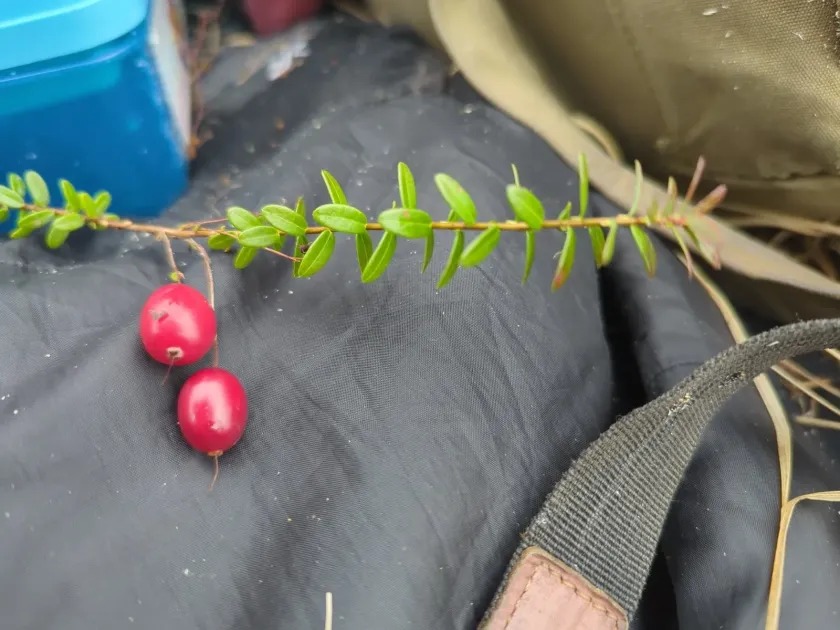
American cranberry (Vaccinium macrocarpon) is an evergreen trailing shrub belonging to the Ericaceae family. Native to North America, this species thrives in acidic, peat-based wetland habitats where conditions are specifically suited for its growth.
The plant requires highly acidic soil with a pH range of 3.5 to 4.5. The ideal substrate is deep peat with excellent water retention properties, providing a consistent moisture supply without waterlogging the root system.
Proper water management is essential for successful production. Commercial cranberry farms utilize specialized drainage and irrigation systems to manage water levels precisely, ensuring plants are kept hydrated while preventing root rot.
The climate requirement centers on temperate zones that experience cold winters and moderate summers. Cranberries have a significant chilling requirement and possess high cold tolerance, which is critical for successful dormancy cycles.
Agricultural practices involve a process called sanding. Applying a layer of sand over the peat helps control weeds, promotes runner formation, and creates a clean surface for harvesting, significantly improving crop health.
Yield
The primary use of the American cranberry is for commercial fruit production. The berries are prized for their high levels of antioxidants, vitamins, and benzoic acid, making them highly sought after in the food and medical sectors.
Under optimal management conditions, a healthy cranberry bog can produce between 10 and 20 tons of fruit per hectare. Productivity is influenced heavily by cultivar selection and the quality of the bog management system.
Plants generally enter full production status by the fourth or fifth year after planting. A well-maintained plantation can remain productive for several decades if regular renovation and pruning practices are followed.
Harvesting efficiency is a cornerstone of modern cranberry farming. The industry predominantly uses water harvesting methods, where the fields are flooded, and specialized machines knock the fruit off the vines.
Post-harvest processing involves cleaning, sorting, and chilling. Due to the natural acidity and preservative compounds in the fruit, cranberries can be stored for extended periods, facilitating a global supply chain.
Main diseases and pests
Cranberry production faces various threats from pathogenic fungi, which thrive in the high-humidity environment of the bogs. Key diseases include anthracnose, monilinia blight, and grey mold, all of which require proactive management.
Sclerotinia disease and ash mold can cause rapid decay of fruit and foliage, severely impacting yields if left unchecked. Integrated pest management strategies are necessary to mitigate these fungal risks efficiently.
Root-damaging pests, particularly the root-knot nematode, pose a severe threat to the vitality of the plantation. These organisms hinder the plant's nutrient uptake, leading to reduced growth and eventually plant decline.
Viral threats, including the tobacco mosaic virus, can devastate a plantation. These viruses are often transmitted by insect vectors, highlighting the importance of rigorous pest control and the use of certified healthy cuttings.
- Proper air circulation is crucial to prevent the development of powdery and grey molds.
- Monitoring soil pH levels helps prevent root rot pathogens like pink root rot.
- Strict biosecurity measures prevent the spread of soil-borne diseases within the bog.