
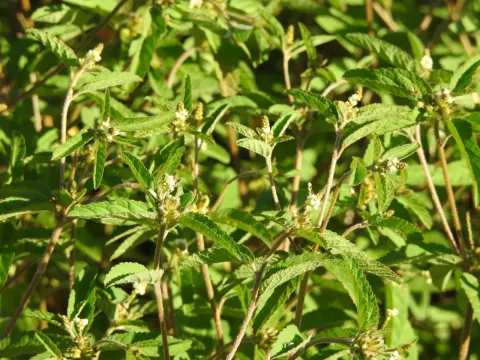
Eremocarpus setigerus
Eremocarpus
Eremocarpus setigerus is an annual herbaceous plant whose life cycle is highly dependent on seasonal temperature fluctuations. The optimal sowing time occurs in early spring, once the danger of late frost has completely passed.
What the section contains
Eremocarpus setigerus
The seeds require a firm seedbed to ensure proper moisture uptake, which is essential for uniform germination. In agricultural practice, drilling is preferred over broadcast sowing to maintain precise plant spacing.
It is crucial not to plant the seeds too deeply, as the small size of the seeds requires only a thin layer of soil cover to protect them from wind and birds while allowing light penetration for the initial stages.
Successful establishment is highly dependent on available moisture immediately following germination. If precipitation is lacking, a light irrigation session may be necessary to ensure the emergence of healthy seedlings.
Crop density should be carefully managed to prevent excessive competition between plants, which could lead to stunted growth. A well-calculated seeding rate significantly influences the total final biomass production.
Belonging to the Euphorbiaceae family, this plant is a specialized xerophyte adapted to survive in harsh, arid, and semi-arid environments. It thrives under full sunlight, requiring high light intensity throughout the day.
The preferred soil types for Eremocarpus are sandy or gravelly soils that offer excellent drainage. The plant is highly sensitive to waterlogging, as poorly drained soil can quickly lead to root decay and overall plant failure.
Although it can tolerate poor nutritional conditions, the application of balanced fertilizer at the start of the season can boost the vigor of the plant. Neutral to slightly alkaline soil pH is considered ideal for this species.
Its distinctive gray-green foliage is covered in fine, stiff hairs that minimize water loss and provide protection against the intense sun. This structural adaptation allows it to flourish where other crops would suffer from heat stress.
Regular cultivation of the inter-row space is recommended to keep the field free of invasive weed species. This practice also aids in maintaining soil structure and preventing the formation of a surface crust that can impede root development.
The potential yield of Eremocarpus is largely driven by the combination of soil fertility, moisture availability, and the total amount of solar radiation received during the active growth period.
Farmers focused on oil production prioritize the weight and the oil content of the seeds. High yields are achievable through careful monitoring of the plant’s health and the timing of reproductive development stages.
While the plant is hardy, yield optimization requires avoiding excessive nitrogen, which can lead to disproportionate vegetative growth. Proper phosphorus and potassium levels are essential for better seed setting and quality.
The harvest index is directly influenced by the uniformity of flowering across the entire field. Variations in developmental timing between plants can lead to a spread in maturity dates, complicating the harvesting process.
Field trials show that with good agricultural management, the species can produce a consistent yield on marginal lands that are otherwise unproductive. This makes it a valuable candidate for diversified farming systems.
Eremocarpus exhibits natural resistance to many common pests due to the chemical composition of its sap. However, it can still be vulnerable to fungal diseases if the atmospheric humidity remains elevated for extended periods.
Powdery mildew is a potential concern, particularly in areas with poor ventilation within the canopy. Maintaining proper plant density is a key preventative strategy to ensure sufficient airflow around the plants.
Root rot caused by soil-borne pathogens can become a threat in fields with excessive soil moisture. Proper crop rotation practices should be strictly followed to prevent the buildup of pathogens within the field soil.
Small insects like aphids may occasionally infest young shoots. While usually manageable, monitoring is required during the rapid growth stage to ensure that the infestation does not cause significant damage to the plant's terminal buds.
Integrated pest management strategies focusing on cultural practices, such as choosing the right time for sowing and managing irrigation, are more effective for this crop than heavy reliance on chemical pesticides.
Harvesting Eremocarpus requires precise timing, as the seeds have a tendency to shatter or disperse naturally once the capsules fully dry out. Daily monitoring of the field is necessary as the harvest date approaches.
Mechanical harvesting is typically performed using adapted equipment with reduced threshing speeds to prevent damaging the seeds. Cleanliness of the harvesting machinery is critical to avoid contamination with other crop seeds.
In smaller-scale settings, plants can be cut and piled for a short drying period before threshing. This helps in achieving uniform seed moisture and reduces the risk of field losses due to weather changes.
The post-harvest cleaning process must be efficient to remove all fine plant debris that might contain moisture. Properly cleaned seeds will have a longer shelf life and are less prone to spoilage during storage.
Storing the product in a cool, dry environment is essential to preserve the stability of the seed oil. Humidity control in the storage facility prevents fungal growth and maintains the overall high value of the harvest.