
Deerberry
Vaccinium stamineum L.
Description
Growing requirements
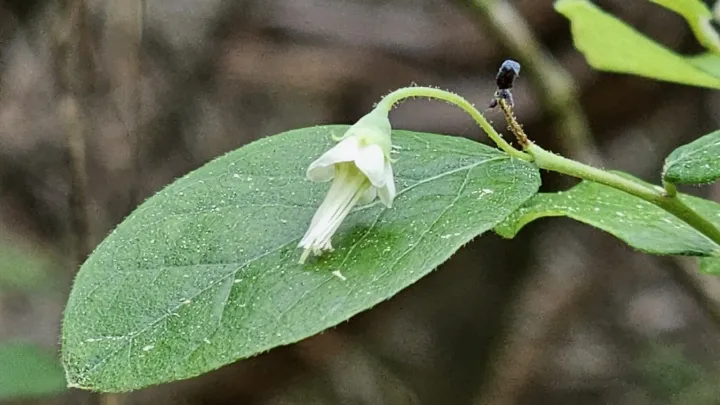
Deerberry (Vaccinium stamineum), a member of the Ericaceae family, is a deciduous shrub native to North America. It is recognized for its unique, bell-shaped flowers and greenish-purple fruits that develop in early to mid-summer.
The plant thrives in acidic, well-draining soils with a pH ranging from 4.5 to 5.5. It typically inhabits open woodlands, rocky slopes, and forest edges, indicating a preference for filtered sunlight rather than full, intense exposure.
Adequate moisture is critical for the development of its shallow root system. To maintain soil acidity and moisture levels, the application of organic mulch such as pine needles or acidic compost is highly recommended for commercial or garden stands.
Deerberry is well-adapted to varied climatic conditions within its range but requires consistent rainfall during the vegetative growth period. It is hardy, though young plants may benefit from protection during extreme winter frosts.
Propagation is commonly achieved through seeds or layering. When establishing a new planting, providing sufficient spacing is essential to prevent overcrowding, which facilitates better light penetration and air circulation.
Yield
While often gathered in the wild, the cultivation of Deerberry is increasing due to interest in niche berry markets. The fruits are used in various culinary applications, including jellies, jams, and wine production.
Yields can be maximized by ensuring optimal pollination, as the species relies on bees and other insects to move pollen efficiently. Planting in blocks or near natural habitats can improve cross-pollination rates.
The fruit's flavor profile is unique, often described as tart, which makes it an excellent candidate for processing rather than fresh consumption. Proper harvesting timing is essential, as the fruit reaches peak quality only when fully mature.
Regular maintenance, including selective pruning, is necessary to stimulate new growth and improve fruit production. Removing older, non-productive wood ensures that energy is directed toward the development of healthy, fruit-bearing stems.
Handling and packaging require care because the berries are delicate and prone to bruising. Post-harvest, fruits should be stored in cool conditions to maintain their texture and nutritional integrity for as long as possible.
Main diseases and pests
Deerberry is susceptible to common Ericaceous diseases, including leaf spot and various types of fungal blight. Proper site selection and avoiding waterlogged soil are the most effective ways to mitigate these risks.
Insect pests such as leaf-feeding caterpillars and aphids can cause damage during the spring growth flush. Integrated pest management strategies, including monitoring and biological controls, are preferred to maintain plant health.
Root rot is a major threat in soils with poor drainage. If signs of yellowing or wilting occur, it is often a symptom of soil saturation, necessitating immediate adjustment of irrigation practices or drainage improvement.
Fungal issues such as powdery mildew are often associated with stagnant air. Providing enough space between plants and maintaining a clean area free of debris reduces the chances of infection and secondary complications.
Preventative cultural practices, such as removing infected branches and thinning out the canopy, significantly reduce the pathogen load. Maintaining the correct soil pH remains the primary defense against systemic nutrient deficiencies and fungal susceptibility.