
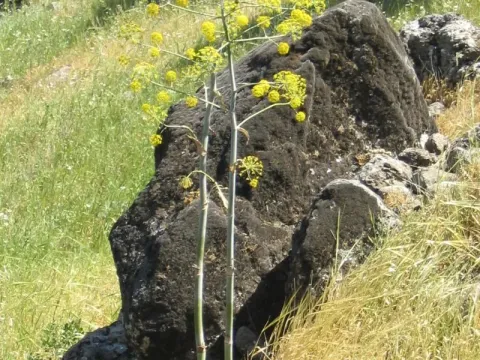
Eriosynaphe
Eriosynaphe
Eriosynaphe is a genus within the Apiaceae family, characterized by its hardy perennial nature and specific environmental requirements for successful germination.
What the section contains
Eriosynaphe
The optimal sowing time is typically in late autumn, as the seeds require a period of cold stratification to break dormancy and ensure uniform spring emergence.
For regions with harsh winters, sowing in early spring is possible, provided that the seeds undergo a mandatory pre-chilling process to mimic natural conditions.
Seeds should be sown at a shallow depth of approximately 1 to 2 centimeters to ensure adequate warmth and light absorption for the developing seedlings.
Maintaining proper weed control during the seedling phase is essential, as the young plants are delicate and easily outcompeted by aggressive annual weeds.
This crop thrives in well-drained, sandy loam soils that prevent water stagnation, which is critical for the overall health of its root system.
Eriosynaphe exhibits excellent drought tolerance, making it a viable candidate for cultivation in areas with limited annual rainfall or seasonal dry spells.
The plant requires full sun exposure to maximize photosynthesis and promote the development of robust stems and healthy foliage throughout the growing season.
Neutral to slightly alkaline soil pH levels are preferred, as these conditions favor the availability of essential nutrients required for biomass production.
In terms of temperature, the plant is highly resilient, surviving both intense summer heat and significant sub-zero temperatures during the winter dormancy period.
Pest management for Eriosynaphe centers on addressing typical Apiaceae pests, such as aphids and carrot flies, which can weaken plant vigor if left unchecked.
Fungal diseases like powdery mildew are common in environments with poor air circulation or high relative humidity, potentially leading to premature senescence.
Root-related pathogens pose a significant threat when soil drainage is insufficient, leading to rot and collapse of the plant during periods of heavy rainfall.
Integrated pest management, including regular field inspections and the use of botanical insecticides, remains the most effective strategy for control.
- Implementing wide row spacing to improve air flow and reduce humidity.
- Removing diseased plants immediately to prevent the spread of fungal pathogens.