
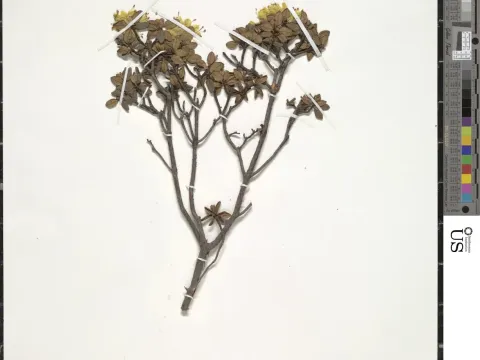
Cliff rhododendron
Rhododendron rupicola
The cliff rhododendron (Rhododendron rupicola) is a dwarf evergreen shrub belonging to the Ericaceae family. Native to the high-altitude rocky slopes of China, this species is well-adapted to alpine environments and is highly valued for its dense, compact habit and vibrant appearance.
What the section contains
Cliff rhododendron
Successful cultivation of this species depends heavily on soil conditions. It requires acidic, well-draining soil that is rich in organic matter. Gardeners often use mixtures containing peat moss and pine bark to mimic the plant's natural habitat and ensure the necessary pH range of 4.5 to 5.5.
When choosing a planting site, it is essential to provide protection from intense afternoon sun, which can scorch the foliage. Dappled sunlight or a location with bright but indirect light is ideal for maintaining the plant’s health and ensuring a prolific display of flowers each season.
Water management is a critical aspect of rhododendron care. While the plant prefers a moist substrate, it is highly intolerant of waterlogging, which can cause root rot. A layer of organic mulch is recommended to retain soil moisture while keeping the roots cool during warmer summer months.
In landscape use, Rhododendron rupicola is an excellent choice for rock gardens, stone troughs, and alpine borders. Its slow growth rate and small stature make it perfect for confined spaces where a naturalistic, mountainous aesthetic is desired by the landscape architect.
The primary threats to the cliff rhododendron include various fungal pathogens such as Phytophthora, which thrive in poorly drained soil. Maintaining an aerated, free-draining medium and avoiding overhead irrigation during humid weather are effective ways to prevent these infections.
Rhododendron bugs are common pests that feed on the underside of leaves, causing discoloration and reduced photosynthesis. If an infestation is detected, applying horticultural oils or systemic insecticides can help manage the population and prevent significant damage to the shrub’s vigor.
Powdery mildew can affect the foliage if the air circulation around the plant is insufficient. Providing adequate spacing and ensuring the plant is not crowded by neighboring vegetation helps prevent the accumulation of spores and maintains a dry, healthy environment for the leaves.
Nematodes and other soil-borne pests can occasionally impact the root system, leading to overall plant decline. Using sterilized planting materials and incorporating healthy compost can help minimize these risks and promote strong root development during the plant's establishment phase.
Nutrient deficiency is often mistaken for disease; for instance, iron chlorosis commonly occurs if the soil pH shifts toward alkaline levels. Corrective measures, such as applying chelated iron and periodic soil pH testing, are vital for preserving the deep green color of the foliage.