
Highbush blueberry
Vaccinium corymbosum L.
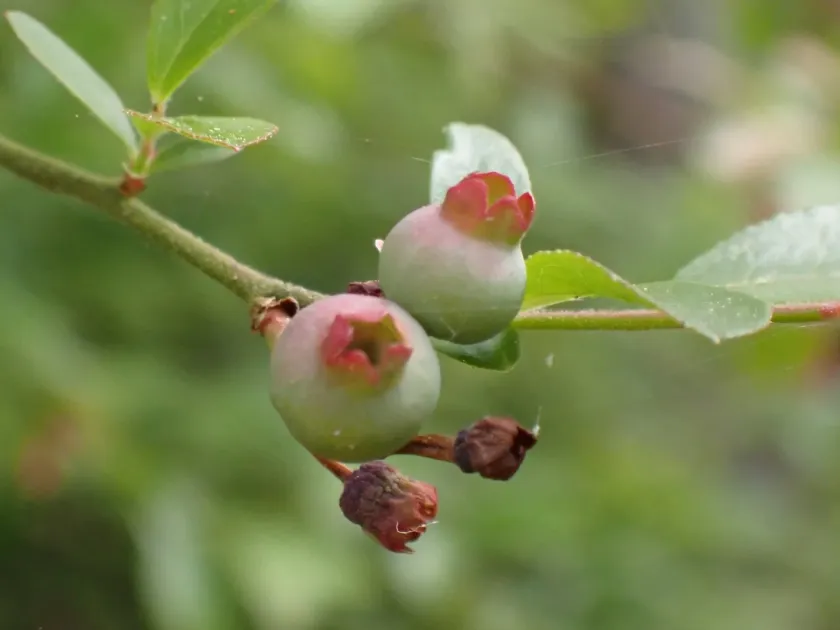
Description
Growing requirements
Highbush blueberry (Vaccinium corymbosum L.) is a perennial shrub belonging to the Ericaceae family. Originating from North America, it has become a major agricultural crop valued for its nutritional profile.
The plant requires acidic soil conditions with a pH between 3.5 and 4.5. If the pH level rises above 5.0, the plant struggles to absorb nutrients, leading to stunted growth and yellowing of the leaves.
It prefers well-drained, porous soils rich in organic matter. Sandy loam soils amended with acidic peat are considered ideal for establishing high-yield blueberry plantations in commercial settings.
Climate requirements include a sufficient chilling period during winter for proper bud break. The plant is sensitive to late spring frosts, which can damage flowers and significantly reduce the harvest volume.
Agricultural management involves annual pruning to stimulate the growth of new, productive wood. Proper pruning helps maintain the plant structure and ensures better air circulation, reducing disease pressure.
Yield
A mature, well-managed highbush blueberry bush can yield between 4 and 9 kilograms of fruit per season. Yields vary significantly based on the specific variety, planting density, and irrigation schedule.
Commercial plantations typically reach their peak production potential between 6 and 10 years after planting. Life expectancy of a healthy, properly pruned highbush blueberry plantation can exceed 20 years.
Main diseases and pests
Common diseases include Botrytis blight (gray mold), stem canker, and root rot caused by Phytophthora species. Managing moisture levels and selecting resistant varieties are key preventative strategies.
Major pests include the blueberry maggot, spotted wing drosophila, and vine weevils. Integrated pest management, including regular monitoring and timely application of controls, is essential for healthy crops.
Harvesting
Harvesting is usually done by hand in several passes to ensure that only fully ripe berries are picked. Highbush blueberries develop a deep blue color and a waxy bloom when they reach full maturity.
For large-scale operations, mechanical harvesters are used once the fruit has achieved the desired firmness. Post-harvest cooling is critical to maintain shelf life and prevent quality degradation during transport.