
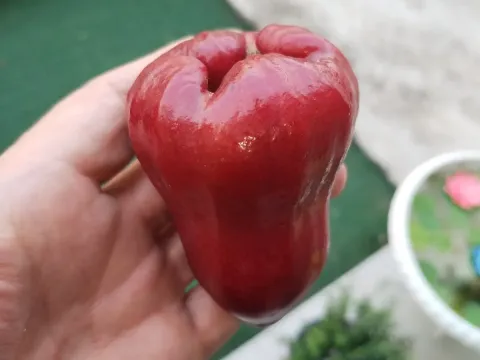
Syzygium
Syzygium
Syzygium is a large genus of evergreen trees and shrubs belonging to the family Myrtaceae. Primarily native to tropical regions of Asia, Africa, and Australia, this genus includes economically significant species such as the clove tree, which is cultivated worldwide for its aromatic flower buds.
What the section contains
 Syzygium glabratum
Syzygium glabratum
Syzygium glabratum
 Syzygium glaucum
Syzygium glaucum
Syzygium glaucum
 Syzygium glenum
Syzygium glenum
Syzygium glenum
 Syzygium glomeratum
Syzygium gracilipes
Syzygium gracilipes
Syzygium glomeratum
Syzygium glomeratum
Syzygium gracilipes
Syzygium gracilipes
 Syzygium grande
Syzygium grande
Syzygium grande
 Syzygium graveolens
Syzygium graveolens
Syzygium graveolens
 Syzygium griffithii
Syzygium griffithii
Syzygium griffithii
 Syzygium guineense
Syzygium guineense
Syzygium guineense
 Syzygium hedraiophyllum
Syzygium hedraiophyllum
Syzygium hedraiophyllum
 Syzygium hemilamprum
Syzygium hemilamprum
Syzygium hemilamprum
 Syzygium hodgkinsoniae
Syzygium hodgkinsoniae
Syzygium hodgkinsoniae
 Syzygium hybrid
s
Syzygium hybrid
Syzygium hybrids
 Syzygium incarnatum
Syzygium incarnatum
Syzygium incarnatum
 Syzygium ingens
Syzygium ingens
Syzygium ingens
 Syzygium inophyllum
Syzygium inophyllum
Syzygium inophyllum
 Syzygium kuranda
Syzygium kurzii
Syzygium kurzii
Syzygium kuranda
Syzygium kuranda
Syzygium kurzii
Syzygium kurzii
 Syzygium legatii
Syzygium legatii
Syzygium legatii
 Syzygium levinei
Syzygium levinei
Syzygium levinei
 Syzygium lineatum
Syzygium macilwraithianum
Syzygium macilwraithianum
Syzygium lineatum
Syzygium lineatum
Syzygium macilwraithianum
Syzygium macilwraithianum
 Syzygium macranthum
Syzygium macranthum
Syzygium macranthum
 Syzygium maire
Syzygium maire
Syzygium maire
 Syzygium maraca
Syzygium microcymum
Syzygium microcymum
Syzygium minutiflorum
Syzygium minutiflorum
Syzygium maraca
Syzygium maraca
Syzygium microcymum
Syzygium microcymum
Syzygium minutiflorum
Syzygium minutiflorum
 Syzygium moorei
Syzygium mouanum
Syzygium mouanum
Syzygium mulgraveanum
Syzygium mulgraveanum
Syzygium multiglandulosum
Syzygium multiglandulosum
Syzygium moorei
Syzygium moorei
Syzygium mouanum
Syzygium mouanum
Syzygium mulgraveanum
Syzygium mulgraveanum
Syzygium multiglandulosum
Syzygium multiglandulosum
 Syzygium myrtifolium
Syzygium neoeugenioides
Syzygium neoeugenioides
Syzygium myrtifolium
Syzygium myrtifolium
Syzygium neoeugenioides
Syzygium neoeugenioides
 Syzygium nervosum
Syzygium ngoyense
Syzygium ngoyense
Syzygium nervosum
Syzygium nervosum
Syzygium ngoyense
Syzygium ngoyense
 Syzygium oblatum
Syzygium oblatum
Syzygium oblatum
 Syzygium owariense
Syzygium owariense
Syzygium owariense
 Syzygium pachyphyllum
Syzygium palembanicum
Syzygium palembanicum
Syzygium pachyphyllum
Syzygium pachyphyllum
Syzygium palembanicum
Syzygium palembanicum
 Syzygium pancheri
Syzygium pancheri
Syzygium pancheri
 Syzygium papillosum
Syzygium papillosum
Syzygium papillosum
 Syzygium papyraceum
Syzygium praecox
Syzygium praecox
Syzygium papyraceum
Syzygium papyraceum
Syzygium praecox
Syzygium praecox
 Syzygium pseudofastigiatum
Syzygium pseudofastigiatum
Syzygium pseudofastigiatum
 Syzygium puberulum
Syzygium puberulum
Syzygium puberulum
 Syzygium pustulatum
Syzygium pustulatum
Syzygium pustulatum
 Syzygium pycnanthum
Syzygium pycnanthum
Syzygium pycnanthum
 Syzygium pyrifolium
Syzygium racemosum
Syzygium racemosum
Syzygium ramosissimum
Syzygium ramosissimum
Syzygium pyrifolium
Syzygium pyrifolium
Syzygium racemosum
Syzygium racemosum
Syzygium ramosissimum
Syzygium ramosissimum
 Syzygium revolutum
Syzygium revolutum
Syzygium revolutum
 Syzygium ridleyi
Syzygium rostratum
Syzygium rostratum
Syzygium ridleyi
Syzygium ridleyi
Syzygium rostratum
Syzygium rostratum
 Syzygium rubicundum
Syzygium rubrimolle
Syzygium rubrimolle
Syzygium rugosum
Syzygium rugosum
Syzygium salicifolium
Syzygium salicifolium
Syzygium rubicundum
Syzygium rubicundum
Syzygium rubrimolle
Syzygium rubrimolle
Syzygium rugosum
Syzygium rugosum
Syzygium salicifolium
Syzygium salicifolium
 Syzygium sandwicense
Syzygium splendens
Syzygium splendens
Syzygium sandwicense
Syzygium sandwicense
Syzygium splendens
Syzygium splendens
 Syzygium subdecussatum
Syzygium subdecussatum
Syzygium subdecussatum
Syzygium
The crop requires a tropical or subtropical climate with consistent temperatures and high humidity. It is highly sensitive to frost, and even short periods of cold stress can significantly damage foliage and inhibit the plant's metabolic activity, often leading to total crop failure.
Optimal growth is achieved in deep, fertile, and well-drained soils. Loamy or sandy-loam soil types are preferred, as they allow for rapid root development while preventing waterlogging, which is a major limiting factor for Syzygium plantations in regions with heavy rainfall.
Strategic site selection is critical for commercial production. Plants thrive in sunny locations but benefit from partial shade during their early developmental stages to prevent sunscald. Proper spatial arrangement is necessary to ensure adequate airflow and sunlight penetration into the canopy.
Routine irrigation is essential, especially during the establishment phase or in periods of limited rainfall. Implementing controlled irrigation systems helps maintain optimal moisture levels in the root zone, directly influencing the plant's overall vigor and the concentration of essential oils in its tissues.
Yield capacity varies considerably among different species of Syzygium. Commercial trees generally require several years of maturation before reaching full productivity, but once established, they can provide sustainable yields for several decades under professional management.
Productivity is enhanced by balanced fertilization programs that emphasize potassium and phosphorus availability. These elements are vital for the development of healthy reproductive structures, which constitute the primary harvestable product of the most commercially important species.
Fungal diseases such as Phytophthora root rot are the primary threat to Syzygium health. Excessive soil moisture combined with poor drainage creates an ideal environment for these pathogens to thrive, necessitating rigorous soil management and prophylactic fungicide applications.
Insect pests, including scale insects, aphids, and spider mites, frequently infest the foliage and tender stems. Effective pest management strategies involve a combination of biological controls and integrated pest management (IPM) practices to maintain healthy trees and minimize damage.
Harvesting is a highly specialized process, often requiring manual labor to ensure the high quality of the product. Timing is crucial; for aromatic species, flower buds must be harvested at the correct physiological stage before they transition into anthesis.
Post-harvest management involves carefully controlled drying methods. The moisture content must be reduced systematically to prevent spoilage and maintain the chemical profile of the plant material, ensuring it meets international quality standards for the spice or pharmaceutical trade.