
Syzygium subdecussatum
Syzygium subdecussatum
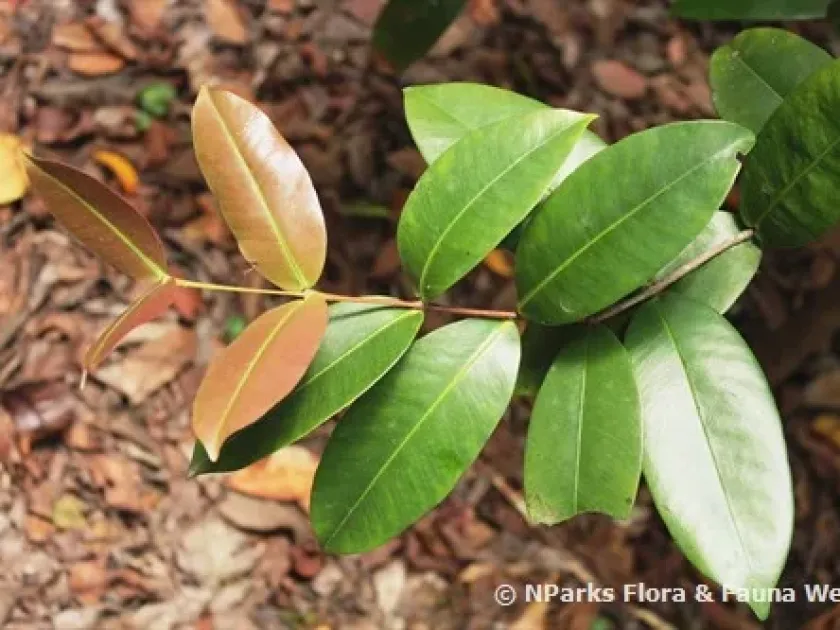
Description
Growing requirements
Syzygium subdecussatum is a notable member of the Myrtaceae family, characterized by its evergreen foliage and tropical origin. It is a tree species that thrives in regions where constant temperatures and high humidity levels are maintained throughout the growing season.
Agricultural success depends on providing well-drained, nutrient-rich soils that allow for rapid root development. The species is highly sensitive to waterlogging, which necessitates careful site selection and the installation of effective drainage systems in intensive cultivation areas.
Climatic requirements are strict: the plant needs a tropical environment with temperatures typically ranging between 22 and 28 degrees Celsius. Protection from strong, drying winds is essential to prevent physiological stress and damage to the sensitive young leaves.
Regular fertilization with balanced NPK formulas is required to support the metabolic needs of the tree. Adding organic matter to the soil surface helps to mimic the natural forest floor, maintaining soil temperature stability and beneficial microbial life.
In terms of economic utility, the tree is highly valued for its dense and durable wood, which has been historically used in various construction and craft applications. Additionally, it serves an important function in ecological restoration and tropical landscape design.
Main diseases and pests
Pathogenic fungi are the most significant threat to this culture, particularly in high-humidity environments where spores can disperse rapidly. Leaf spot diseases are common and can cause significant defoliation if not managed through proper canopy thinning.
Insect pests, such as mealybugs and scale insects, often target the stems and leaf axils, depriving the tree of nutrients. Early detection is crucial, as severe infestations can lead to systemic decline and increased vulnerability to secondary infections.
Root rot pathogens represent a severe threat to the long-term health of the trees, often resulting from poor irrigation management. Maintaining adequate aeration in the root zone is the most effective preventative measure against soil-borne diseases.
Structural damage from heavy storms or improper pruning can create wounds that invite wood-boring insects and decay fungi. Careful wound management and the application of protective sealants are necessary to ensure the longevity of the trees in an orchard setting.
Integrated Pest Management (IPM) strategies, which include the use of pheromone traps and biological controls, are recommended to maintain plant health while reducing the environmental impact of chemical pesticide application.