
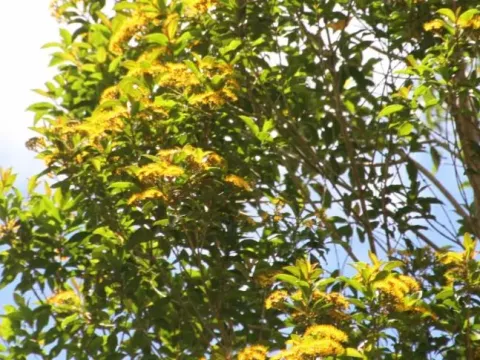
Thaleropia
Thaleropia
Thaleropia is a genus of evergreen woody plants belonging to the Myrtaceae family. Native primarily to Australia, these plants are highly valued in ornamental horticulture for their specific growth habit and attractive floral displays.
What the section contains

Thaleropia
The plant thrives in warm tropical and subtropical environments. It requires significant exposure to direct sunlight to ensure robust growth and consistent flower production throughout the blooming cycle.
Soil requirements involve a well-draining, slightly acidic medium. Because the root system is sensitive to waterlogging, it is essential to incorporate organic matter or sand to improve the porosity of the planting site.
Temperature management is critical for the success of Thaleropia cultivation. It does not tolerate frost and prefers consistent temperatures typically found in sheltered outdoor locations or temperature-controlled greenhouses.
In terms of usage, Thaleropia is mainly cultivated for decorative purposes. It serves as an excellent feature plant in large garden compositions or as a potted specimen in conservatory collections.
The primary threats to Thaleropia include various root rot pathogens. These diseases are almost always linked to poor drainage or overwatering practices that prevent the roots from accessing necessary oxygen.
Pest issues are frequently associated with sap-sucking insects like mealybugs and scale insects. These pests can cause significant damage to the plant by extracting essential nutrients and promoting the growth of sooty mold.
Effective pest management involves integrated control methods, such as using horticultural oils or introducing natural predators if the plant is kept in a semi-enclosed environment.
Maintaining proper spacing between plants is crucial to ensure good air circulation, which helps prevent fungal outbreaks. This simple step significantly reduces the need for heavy chemical intervention.
Sanitation practices, such as removing debris from the soil surface and pruning affected limbs, remain the most effective preventive measures against both diseases and pest infestations.