
Syzygium glaucum
Syzygium glaucum
Description
Growing requirements
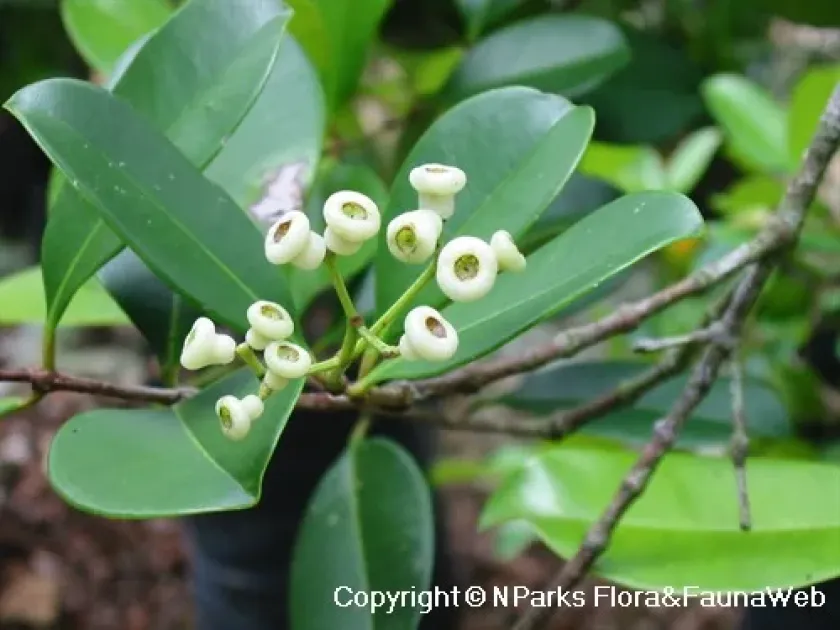
Syzygium glaucum is an evergreen tree species belonging to the Myrtaceae family. It is botanically distinguished by its glaucescent (bluish-grey) foliage, which gives the plant its specific common name and ornamental value.
The species originates from the tropical regions of Southeast Asia. It thrives in humid lowland forests where temperatures remain consistently high throughout the year, with minimal seasonal variations.
Agronomic success depends heavily on selecting well-drained, nutrient-rich soils. The plant requires a consistent moisture level but is extremely sensitive to root asphyxiation, making proper soil drainage a non-negotiable requirement for commercial planting.
Regarding climate, the plant demands protection from frost and cold winds. It performs best in partial to full sunlight, although young plants benefit from nursery shading to prevent leaf scorch during the establishment phase.
General maintenance includes regular monitoring of soil pH and nutrient levels, ensuring the availability of micro-nutrients which are often depleted in tropical soil environments.
Yield
The economic value of Syzygium glaucum is primarily derived from its fruit. While production levels can vary based on the cultivar and the specific site conditions, consistent yields are achieved through systematic pruning and fertilization.
Trees typically reach reproductive maturity after several years of growth. A balanced application of nitrogen, phosphorus, and potassium supports both vegetative development and the quality of the fruit set.
Harvesting is labor-intensive as it usually requires manual picking to ensure the delicate skin of the fruit remains intact. Proper post-harvest handling is critical to minimize losses due to fruit decay.
In addition to fresh consumption, the fruits are utilized in the production of artisanal jams, preserves, and juices, catering to niche local markets that value exotic tropical fruits.
Future agronomic optimization aims at identifying high-yielding clones that demonstrate superior resistance to local pests, thereby reducing the dependency on chemical interventions during the production cycle.
Main diseases and pests
The most significant pathological threats to Syzygium glaucum include various fungal pathogens that cause leaf spot and branch dieback. These are particularly prevalent during high-humidity seasons when airflow through the canopy is restricted.
Pest pressure is frequently caused by sucking insects, including scale insects and mealybugs. These pests colonize stems and leaves, extracting plant sap and leading to reduced vigor and stunted growth of the tree.
Integrated Pest Management (IPM) strategies are recommended to manage these threats. This includes the use of horticultural oils and biological control agents to mitigate the population growth of pests without disrupting the local ecosystem.
Root rot, often associated with Phytophthora species, poses a lethal risk if the soil remains waterlogged for extended periods. Sanitation and managing soil water content are the primary prevention measures.
Regular canopy thinning and removal of diseased branches are standard agrotechnical practices. These steps improve light penetration and air circulation, creating an environment less favorable for the development of fungal spores.