
Syzygium hemilamprum
Syzygium hemilamprum
Description
Growing requirements
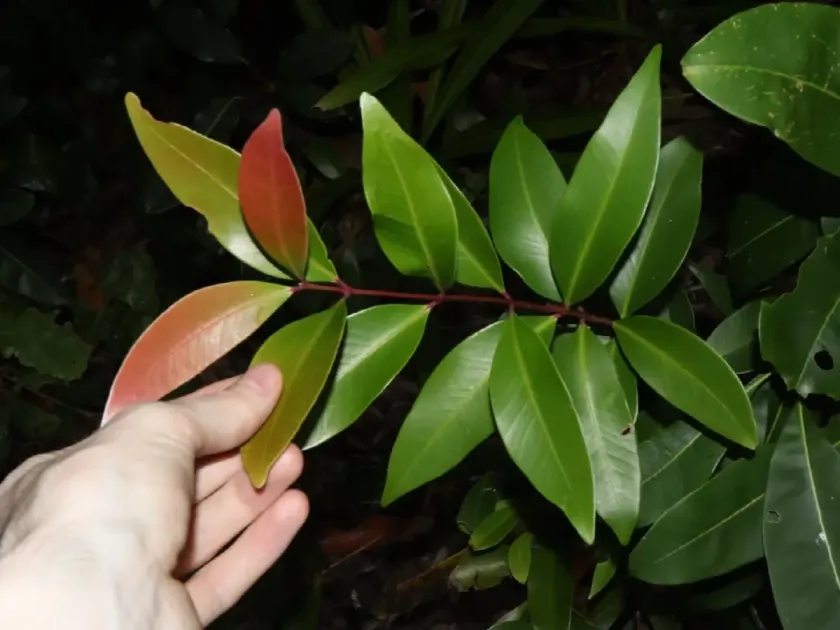
Syzygium hemilamprum is an evergreen tree or large shrub belonging to the Myrtaceae family. It is native to the rainforests of Australia, known for its dense, glossy foliage and robust growth habits.
The plant thrives in warm, humid climates and is sensitive to heavy frost. When cultivating this species, it is essential to provide a sheltered location that mimics its natural forest-edge environment.
It prefers well-drained, fertile soil with a slightly acidic to neutral pH. Proper soil aeration is crucial to prevent root rot, which is a common issue in compacted or waterlogged soils.
Regular pruning is a key aspect of its agrotechnical management. Because the plant responds very well to shaping, it is frequently used to create hedges and topiary, maintaining its density and healthy appearance.
Regarding light exposure, the species prefers full sun to partial shade. Adequate lighting is necessary for the plant to maintain its characteristic leaf gloss and promote healthy flowering and fruiting cycles.
Yield
Syzygium hemilamprum produces edible berries that are valued for their sweet, aromatic flavor. The yield potential is significant when the plant is given sufficient space and nutrients.
The harvesting process typically requires careful selection, as the berries are delicate and intended for immediate use or processing into jams and preserves.
To optimize fruit production, growers often apply organic mulch around the base to retain soil moisture and regulate temperature around the root zone.
Pollination is generally supported by local insects, making the plant a beneficial addition to biodiverse gardens or orchards where natural pollination is encouraged.
Yield management requires consistent monitoring of the plant's health to ensure that energy is directed towards fruit production rather than excessive vegetative growth.
Main diseases and pests
Like many members of the Myrtaceae family, this species can be susceptible to scale insects and mealybugs, which tend to cluster on the undersides of leaves and along stems.
Fungal leaf spot diseases may appear in environments with poor air circulation or excessively high humidity levels, leading to aesthetic damage to the foliage.
Maintaining a clean cultivation area and removing fallen debris around the tree base helps reduce the incidence of soil-borne pathogens and insect infestations.
Integrated Pest Management (IPM) strategies, including the use of beneficial insects and horticultural oils, are effective for controlling populations of sap-sucking pests.
Regular inspections are vital; early detection of infestation allows for localized treatment, protecting the tree from severe stress and potential defoliation.