
Syzygium kuranda
Syzygium kuranda
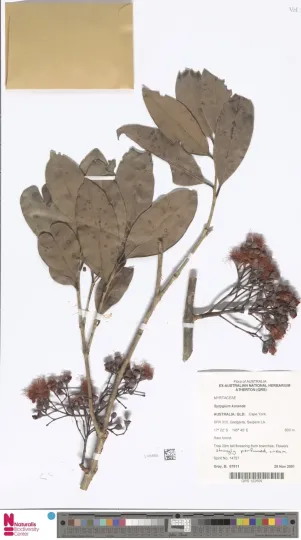
Description
Growing requirements
Syzygium kuranda is a notable species within the Myrtaceae family, native to the tropical rainforests of North Queensland, Australia. This plant thrives in hot, humid climates where temperatures remain consistently warm throughout the year.
The tree prefers deep, well-draining soils that are rich in organic matter. An acidic to neutral soil pH is ideal for promoting optimal nutrient uptake and ensuring healthy vegetative growth throughout the development stages.
Climate requirements for this species are specific, as it demands high humidity and protection from cold snaps. In non-native regions, providing a sheltered location and consistent irrigation is crucial for the tree to thrive.
During the establishment phase, the plant benefits from partial shade, but mature trees require full sun to develop a dense canopy and maximize flower production. Adequate spacing is necessary to ensure good air circulation.
Agricultural practices involve regular mulching to retain soil moisture and stabilize soil temperature. Fertilization with balanced nutrients during the growing season helps the tree maintain its lush appearance and health.
Yield
The primary economic output of Syzygium kuranda is its edible, vibrant fruit. While production levels vary based on environmental factors, mature trees are capable of producing significant yields once they reach full maturity.
The fruits are harvested for both local consumption and artisanal food production, being highly valued for their refreshing taste. They are commonly processed into preserves, jellies, and gourmet sauces in various markets.
Beyond its culinary utility, the plant serves a major role in landscape design due to its aesthetic appeal. Its thick, shiny foliage and attractive flowers make it a popular choice for ornamental use in tropical gardens.
The timber of Syzygium species is generally recognized for its strength and durability. While large-scale logging is not the focus for this specific species, its wood is appreciated for high-quality carpentry projects.
Future development of this crop could involve expanding commercial cultivation through selected breeding programs. Improving fruit size and shelf life remains a key interest for growers looking to enter niche markets.
Main diseases and pests
Fungal diseases are a primary threat to the health of these trees, especially in areas with poor drainage and high humidity. Pathogens can affect the leaves and fruit, reducing overall yield and plant vigor.
Pests such as scale insects and mealybugs are frequently observed on young branches. Integrated pest management strategies, including the use of beneficial predators or targeted treatments, are effective in controlling these issues.
Soil-borne nematodes can pose a significant challenge to the root system. Proper site preparation and the use of healthy, disease-free nursery stock are vital for preventing infestations in new plantations.
Anthracnose remains a common issue for mature fruit, leading to blemishes and decay. Proactive measures, such as canopy thinning to increase airflow, are essential to minimize the impact of such infections.
In addition to biotic threats, environmental stress from extreme weather can weaken the tree, making it more susceptible to opportunistic pathogens. Continuous monitoring and proper care help mitigate these risks.