
Syzygium hedraiophyllum
Syzygium hedraiophyllum
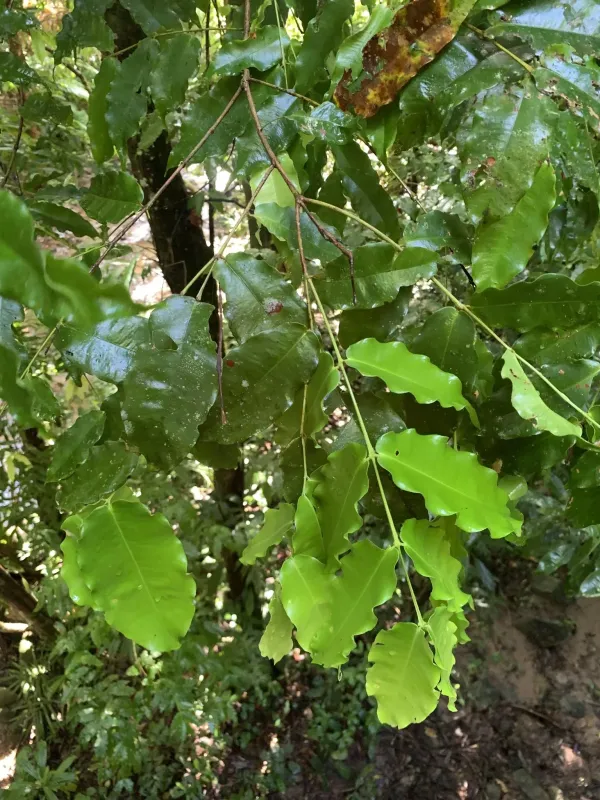
Description
Growing requirements
Syzygium hedraiophyllum is a distinctive member of the Myrtaceae family, native to tropical environments characterized by high humidity and consistent temperatures. It typically grows as an evergreen tree, requiring a frost-free climate to maintain its metabolic functions throughout the year.
Regarding soil requirements, the plant thrives in deep, well-draining, and nutrient-rich substrates. It is sensitive to waterlogging, as the root system requires adequate oxygenation; therefore, sites with naturally poor drainage must be amended with organic matter and sand.
Water management is critical for the healthy development of this crop. The species is accustomed to high precipitation levels and constant atmospheric humidity. Agronomic practices usually involve supplemental irrigation during dry periods to prevent moisture stress that could limit leaf expansion and growth.
The plant demonstrates a strong preference for high light intensity, although young saplings may benefit from partial shade to prevent desiccation. In larger plantations, spacing is carefully calculated to ensure that each tree receives sufficient canopy light while maintaining proper airflow.
Nutrient management focuses on balanced NPK applications supplemented with micronutrients. Due to the rapid growth cycle in ideal tropical conditions, consistent nutrient availability is essential to support the development of high-quality foliage and structural branches.
Main diseases and pests
Like many species in the Myrtaceae family, Syzygium hedraiophyllum is susceptible to fungal pathogens, particularly in areas with poor ventilation. Leaf spot diseases are common when humidity remains trapped within the canopy for extended periods, necessitating regular thinning.
Pest pressure often comes from sucking insects such as scale insects and spider mites. These pests can cause significant damage to young shoots and leaves, leading to chlorosis and stunted development if not managed through integrated pest control strategies.
Preventative cultural practices, such as proper pruning and maintaining clean ground around the base of the trees, significantly reduce the incidence of soil-borne pathogens. Monitoring for early signs of infestation is a standard component of crop management.
Root rot, often caused by overwatering or compacted soil, remains the most significant threat to plant longevity. Maintaining the integrity of the soil structure and ensuring it does not become waterlogged is the primary defense against such decay.
Biological control agents are often preferred in the management of this crop to maintain an ecological balance. Regular scouting for pests and pathogens allows growers to apply targeted treatments, thereby minimizing chemical usage and protecting the environmental health of the plantation.