
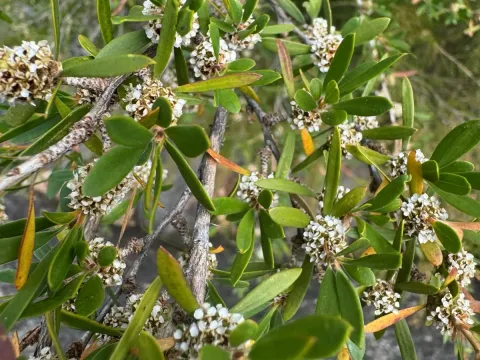
Taxandria
Taxandria
Taxandria is a genus of evergreen shrubs and small trees belonging to the Myrtaceae family. Originally part of the Agonis genus, these plants are native to Western Australia. They are recognized for their elegant, tea-tree-like foliage and profuse flowering habits during the warmer months of the year.
What the section contains

Taxandria
The plant thrives in full sun but requires protection from harsh afternoon heat in drier climates. It performs best in well-drained, slightly acidic soils. Good aeration of the root zone is mandatory, as Taxandria is highly sensitive to waterlogging and soil compaction, which often lead to rapid decline.
Regarding climate, Taxandria is suited to Mediterranean-style environments where winter frost is minimal. In regions with freezing winters, it must be grown in containers and sheltered in a bright, frost-free environment. It cannot tolerate severe frost or prolonged sub-zero temperatures, which can damage its delicate branches.
Cultivation practices involve consistent watering, allowing the soil surface to dry out between sessions. Fertilization should be handled carefully; as with many Australian native plants, Taxandria can be harmed by high levels of phosphorus. Using slow-release fertilizers specifically designed for native flora is recommended.
In terms of usage, Taxandria is primarily an ornamental asset in landscape architecture. It is widely employed in creating privacy screens, hedging, and topiary displays. Its compact growth habit and aesthetic appeal make it a popular choice for xeriscaping and coastal garden designs where conditions allow.
The most significant threat to Taxandria is root rot caused by Phytophthora or poor drainage. Gardeners must ensure excellent water outflow from containers or garden beds to maintain plant vitality throughout the season.
Common pests include spider mites and mealybugs, which thrive in stagnant air or indoor conditions. Routine inspections and the use of targeted biological or chemical control methods are essential for preserving the plant's structural and visual integrity.